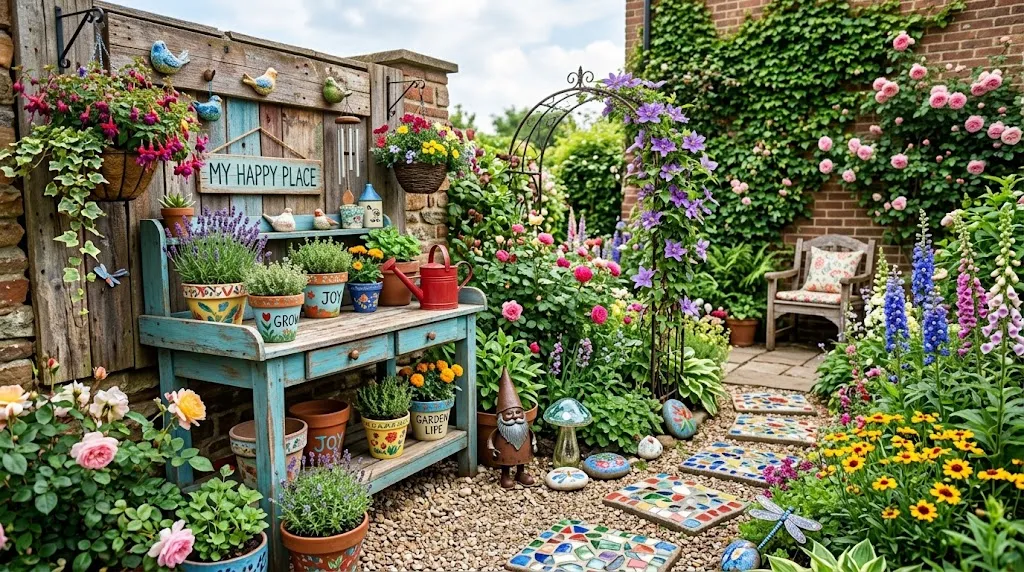
Landscaping Ideas to Create a Beautiful and Welcoming Outdoor Space
A beautiful outdoor space can completely change the way your home looks and feels. Whether you have a large suburban yard, a small backyard, or a simple front lawn, the right landscaping choices can make the area more inviting, comfortable, and enjoyable. You do not always need an expensive renovation to create an attractive yard. With thoughtful planning, suitable plants, comfortable features, and a little creativity, you can turn an ordinary outdoor area into a place you truly enjoy.The best landscaping ideas are not only about making your yard look beautiful. They should also work with your home’s architecture, your local climate, and the amount of time you have for maintenance. From colorful flower beds and natural pathways to cozy seating areas and low-maintenance plants, there are many ways to design an outdoor space that feels personal and welcoming.
1.Start With a Simple Landscaping Plan
Before purchasing plants or outdoor decorations, take some time to understand your yard. Notice where sunlight falls during the day, which areas stay shaded, and where rainwater naturally collects. Think about how you want to use the space and what areas need the most attention.A simple plan can help you decide where to place flower beds, trees, shrubs, pathways, seating areas, and other features. It can also prevent you from buying plants that will not thrive in certain parts of your yard.If you are working with a limited budget, start with one area at a time. Improving the entrance or creating a small backyard garden can make a noticeable difference without requiring a complete landscape makeover.
2.Create Attractive Front Yard Landscaping Ideas
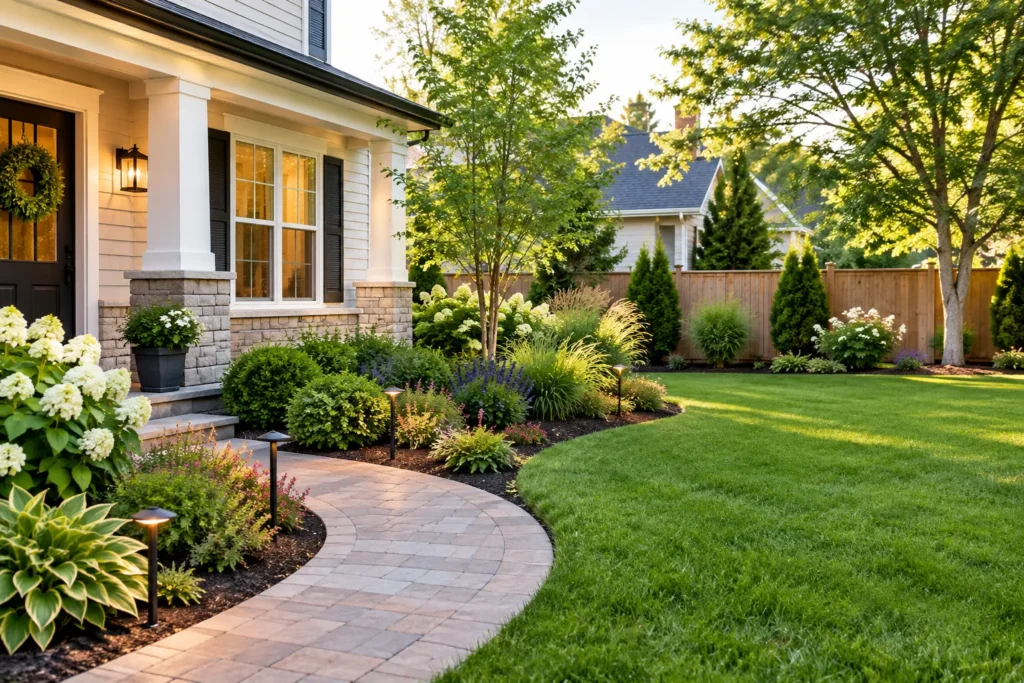
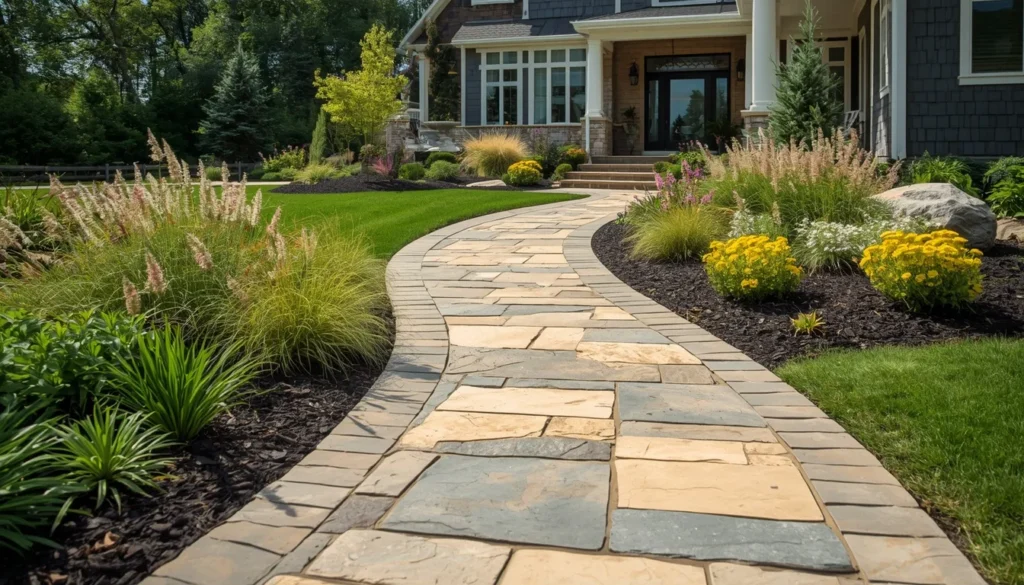
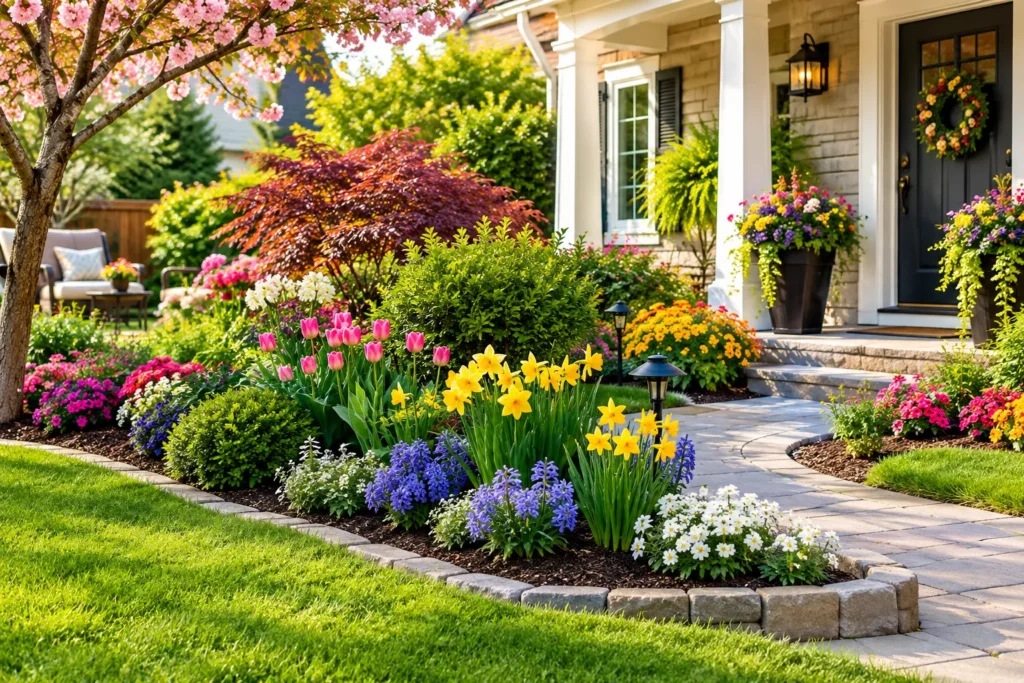
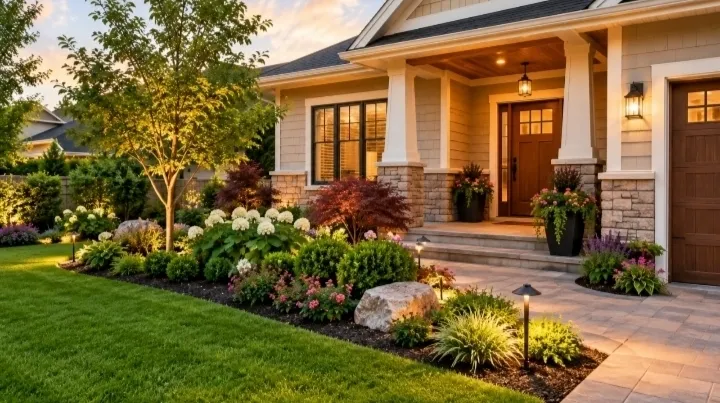
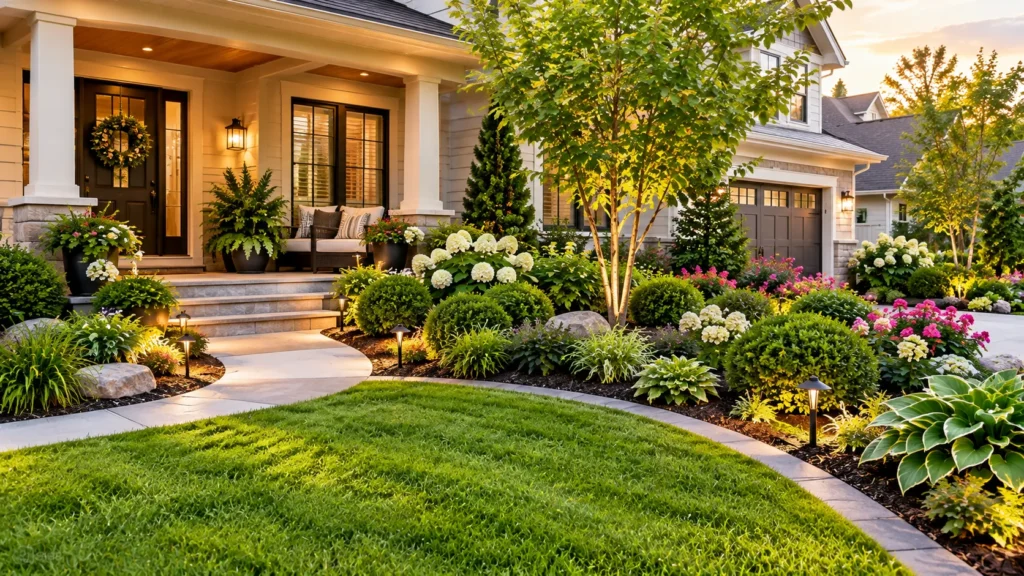
The front yard is one of the first things people notice about your home, so it deserves special attention. Good front yard landscaping ideas can improve curb appeal while creating a warm and welcoming entrance.Consider framing your walkway with low-growing plants, colorful flowers, or neatly trimmed shrubs. You can also add a small tree near the entrance to create height and visual interest. Keep the design balanced so that plants do not hide windows, doors, or important architectural features.For a polished appearance, repeat similar plants or colors throughout the front yard. This creates a more connected look instead of making the landscape feel random.
3.Add Layers of Greenery
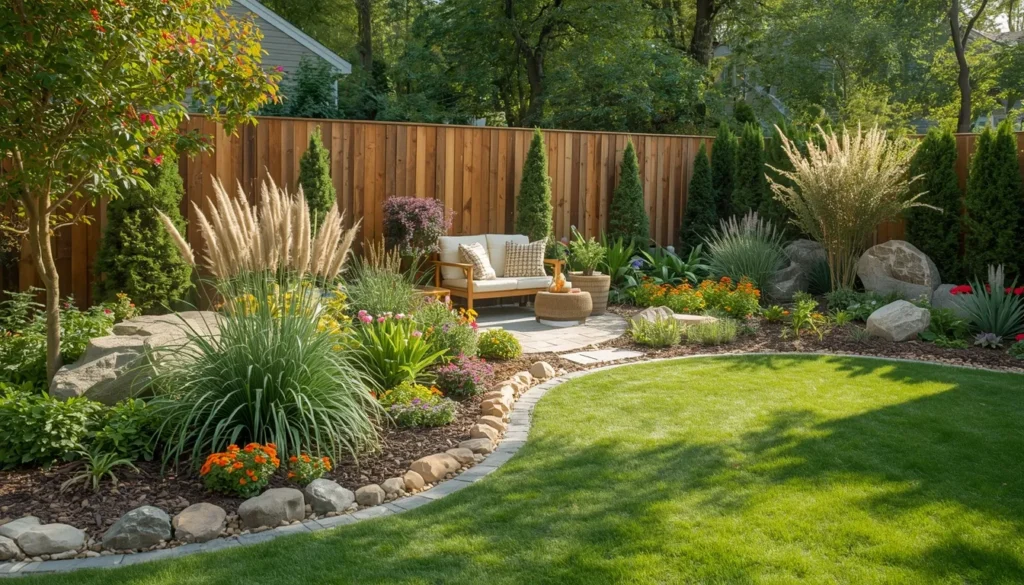
A landscape can look much more interesting when plants are arranged at different heights. Instead of planting everything at the same level, combine ground covers, flowers, shrubs, and taller plants.Low plants can soften the edges of pathways, while medium-sized shrubs can provide structure. Trees or tall ornamental plants can add height and create a stronger focal point.Layering also makes a garden feel fuller without requiring every area to be covered with plants. Choose varieties that complement one another in color, texture, and growth habit.
4.Choose Plants That Suit Your Climate
One of the most important landscaping decisions is selecting plants that can thrive in your region. The United States has a wide range of climates, so a plant that works beautifully in Florida may not perform well in Minnesota.Look for plants that are suitable for your USDA hardiness zone and consider how much sun and water each area receives. Native plants can also be a practical choice because they are generally adapted to local growing conditions.Choosing appropriate plants from the beginning can save time, money, and maintenance later. It also helps your landscape stay healthy throughout the seasons.
5.Design a Welcoming Garden Pathway
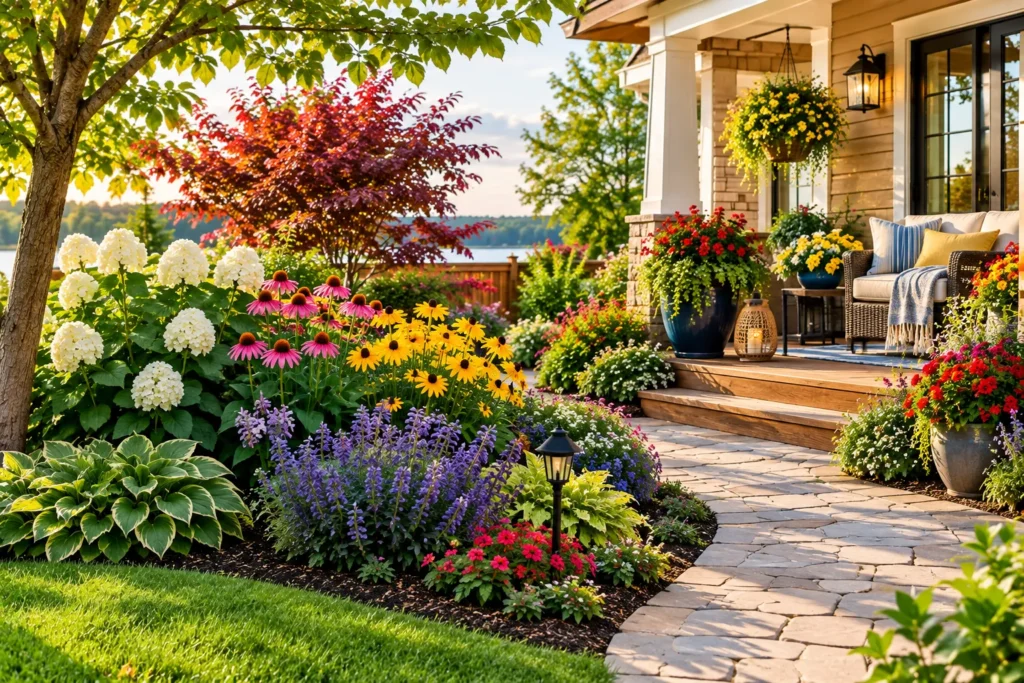
A pathway can make your yard feel more organized while guiding visitors naturally through the outdoor space. You can create paths using stone, brick, gravel, pavers, or other suitable materials.For a relaxed garden, a slightly curved pathway can create a softer and more natural appearance. Straight pathways often work well with modern or formal landscapes.Add plants along the edges to make the path feel integrated with the garden. Low flowers, ornamental grasses, or small shrubs can provide an attractive border without overwhelming the walkway.
6.Add a Comfortable Outdoor Seating Area
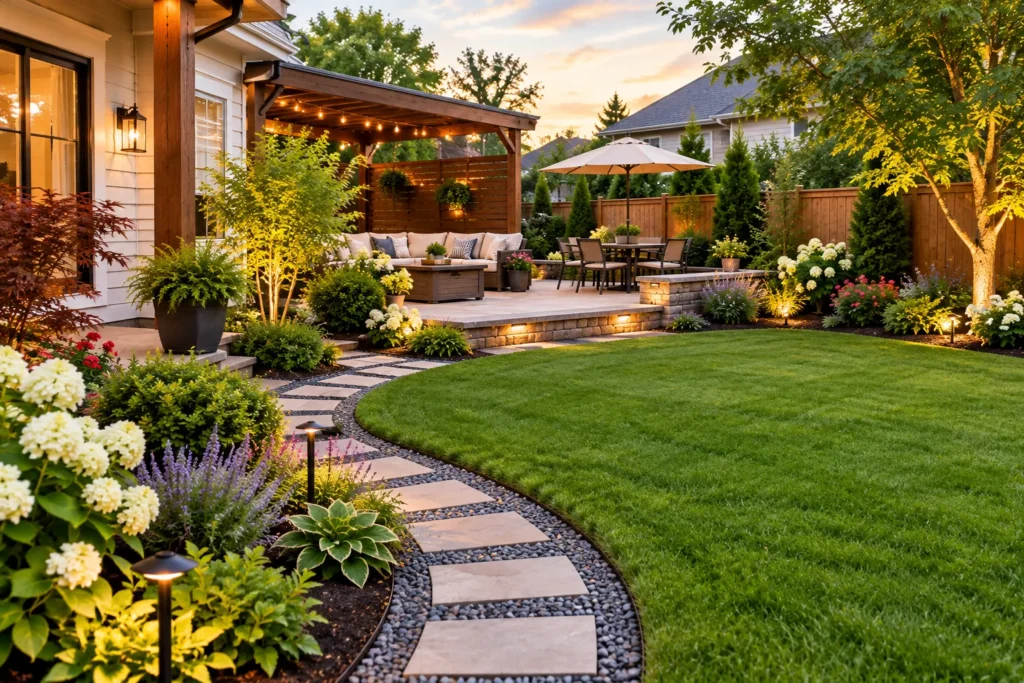
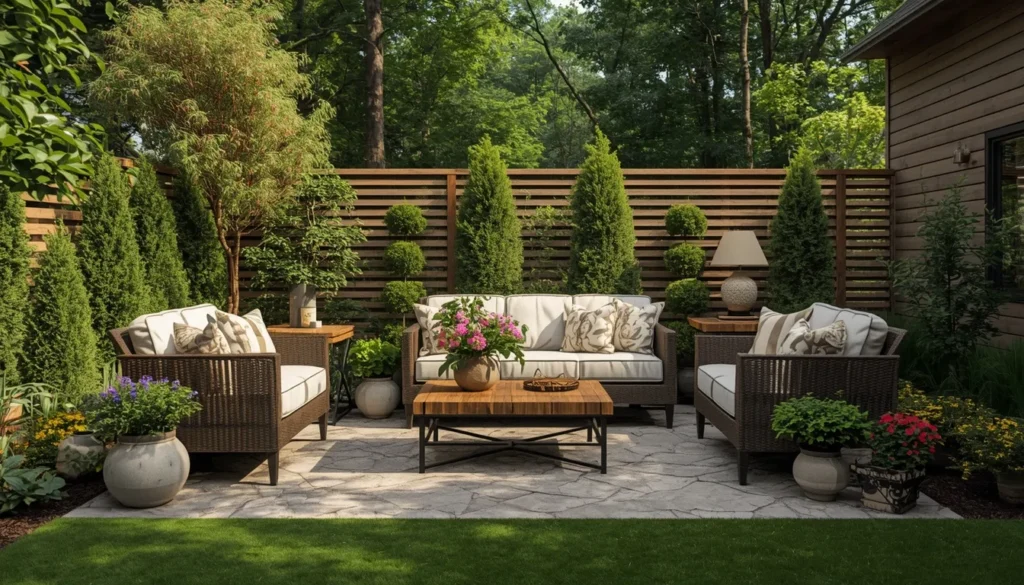
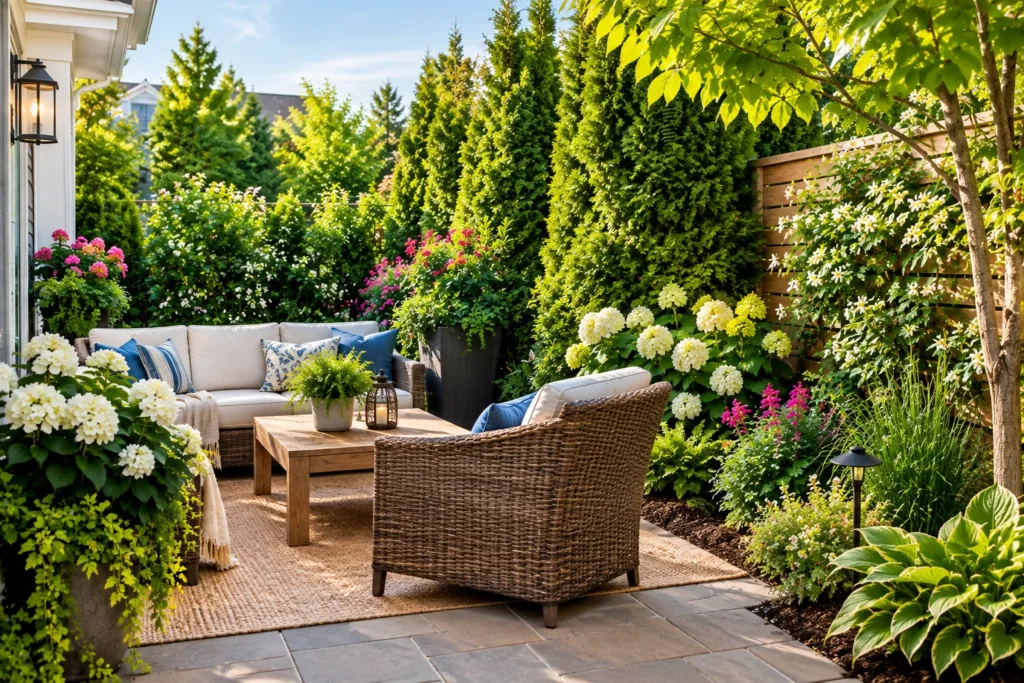
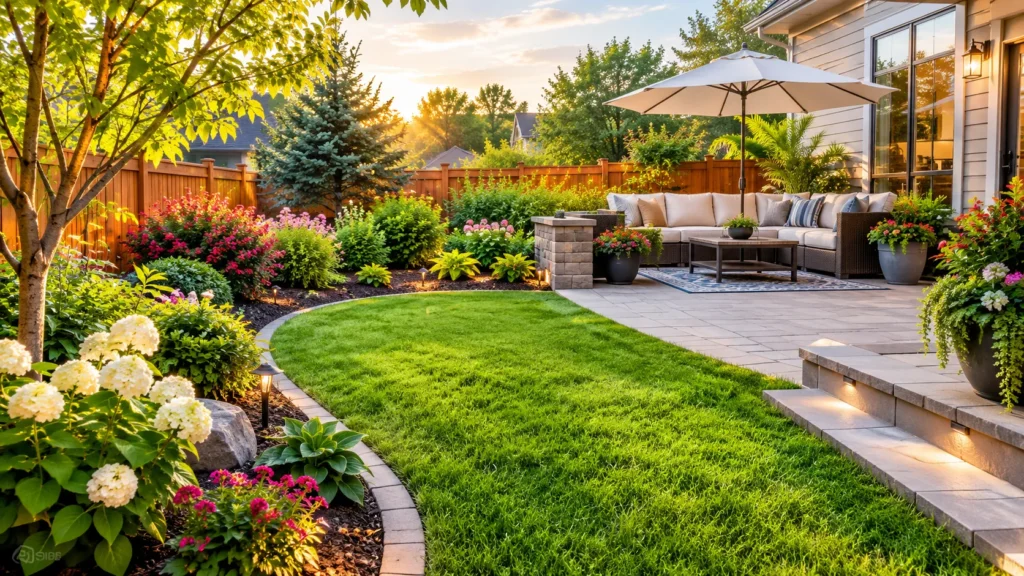
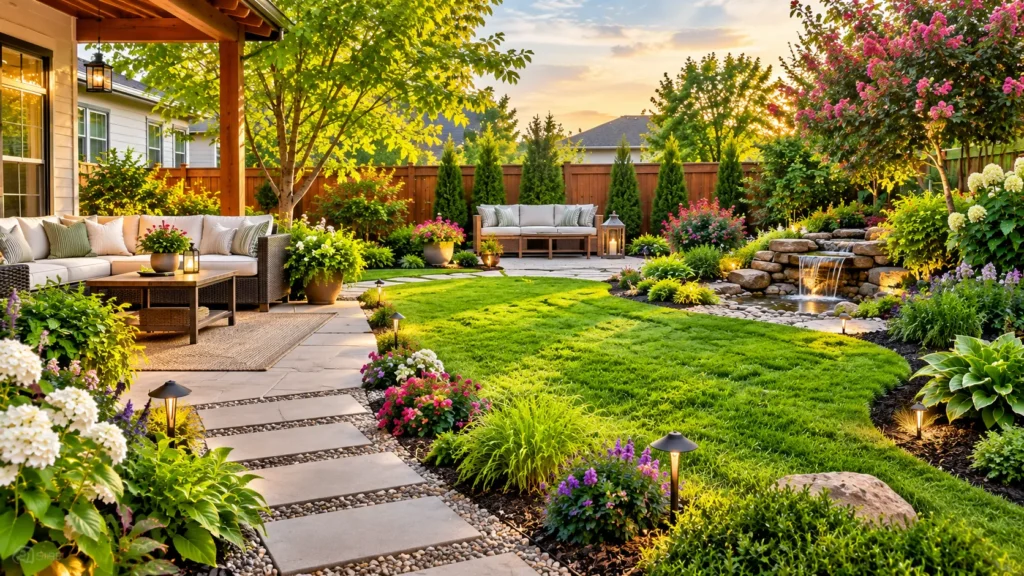
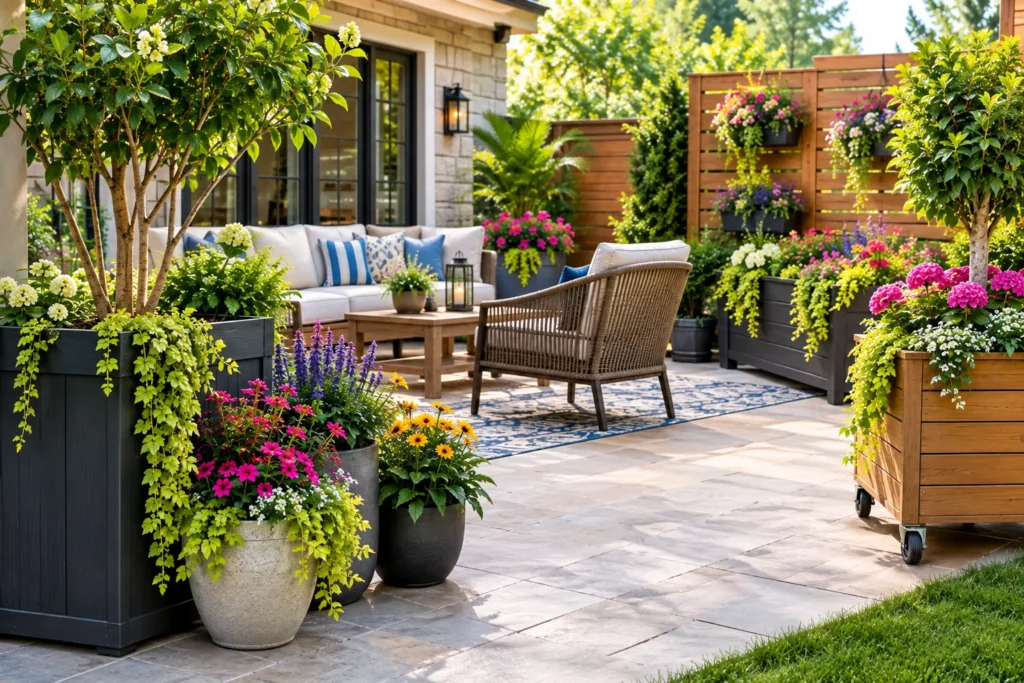
Your landscape should not only look good; it should also give you a reason to spend time outside. A comfortable seating area can turn a simple yard into an outdoor living space.Place a small table and chairs on a patio, deck, or level area of the garden. If you have enough room, consider adding a comfortable outdoor sofa or lounge chairs.Use weather-resistant cushions and fabrics that can handle outdoor conditions. A nearby shade tree, pergola, or umbrella can make the seating area more comfortable during warm summer afternoons.
7.Use Outdoor Lighting for Evening Appeal
Outdoor lighting can transform a landscape after sunset. It can highlight beautiful plants, improve visibility, and make outdoor areas feel more inviting.Pathway lights can guide people safely toward the entrance, while subtle uplighting can emphasize trees or architectural details. String lights can add a relaxed atmosphere around patios and seating areas.Avoid using too many bright lights. Soft, strategically placed lighting usually creates a more attractive and comfortable environment.
8.Add Mulch to Flower Beds
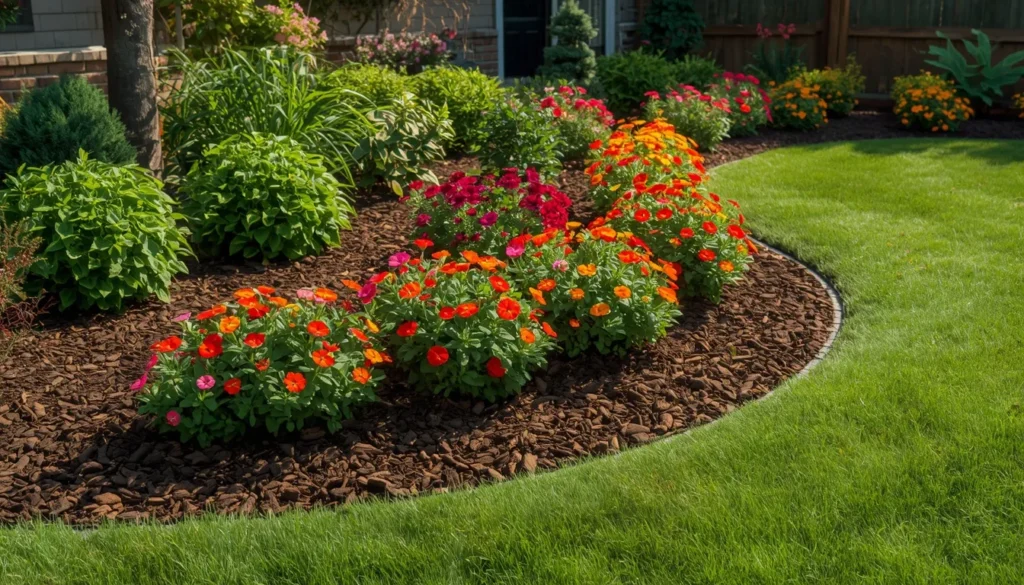
Mulch is one of the easiest ways to give a landscape a cleaner appearance. It creates a defined look around plants and can help retain moisture in the soil.Organic mulch can also add texture and complement the colors of flowers and greenery. Spread it evenly around plants while keeping it away from direct contact with tree trunks and plant stems.Fresh mulch can make an older garden look refreshed without requiring major changes.
9.Create a Low-Maintenance Landscape
If you have a busy schedule, choose landscaping ideas that do not require constant care. A low-maintenance landscape can still be beautiful when plants and materials are selected carefully.Use hardy shrubs, native plants, perennial flowers, ornamental grasses, and durable hardscape materials. Group plants with similar water and sunlight requirements so they are easier to maintain.You can also reduce the amount of lawn that needs frequent mowing by replacing selected areas with planting beds, gravel, ground covers, or patios.
10.Make a Small Yard Feel Larger
Small yards can still have plenty of personality. The key is to avoid overcrowding the space with too many plants, decorations, or large pieces of furniture.Use vertical gardening to take advantage of walls, fences, and trellises. Tall, narrow plants can also add height without taking up much ground space.Keeping a clear visual path through the yard can make the area feel more open. Light-colored materials and strategically placed mirrors or reflective surfaces can also enhance the feeling of space.
11.Incorporate Natural Stone and Hardscaping
Hardscaping adds structure to a landscape and can make the yard easier to use. Natural stone, pavers, brick, gravel, and concrete can be used for patios, pathways, retaining walls, and borders.Stone works especially well when you want a natural appearance. Choose materials that complement your home’s exterior rather than competing with it.A combination of hardscape and greenery often creates a balanced outdoor design. For example, a stone pathway surrounded by soft plants can provide an attractive contrast between natural textures.
12.Add a Small Water Feature
Water features can bring a peaceful quality to an outdoor space. Depending on the size of your yard, you might add a small fountain, birdbath, pond, or simple bubbling feature.The sound of moving water can make a seating area feel more relaxing. A small water feature can also become a focal point in a garden.Choose a size that fits your landscape and consider maintenance requirements before installing one.
13.Create Privacy With Plants
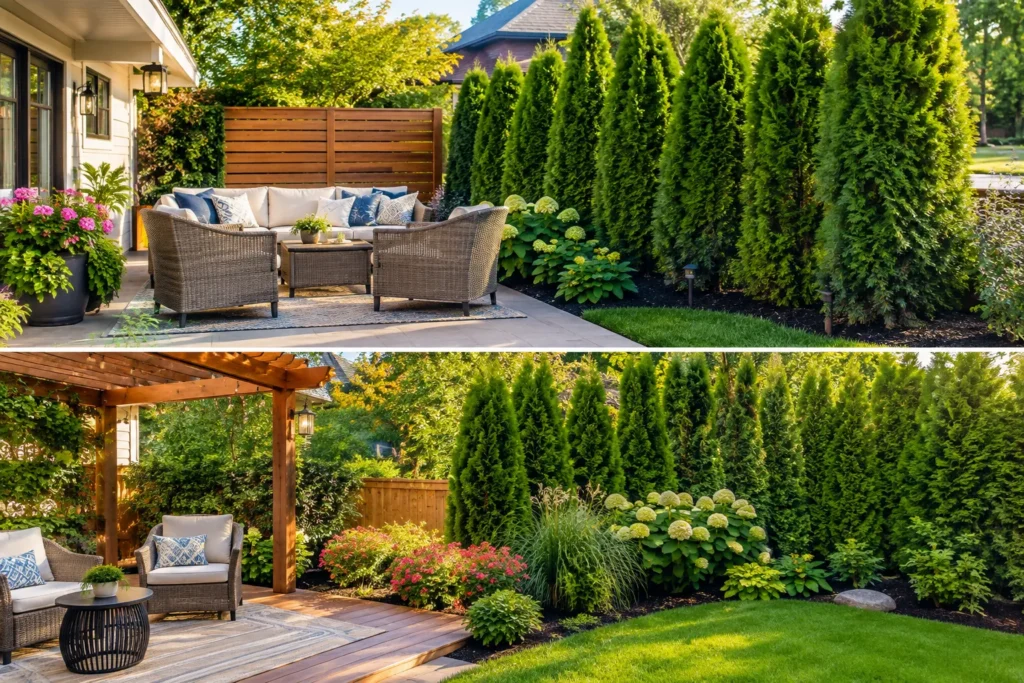
If your backyard is close to neighboring homes, plants can provide a natural way to create privacy. Tall shrubs, evergreen trees, ornamental grasses, and climbing plants can help create a visual barrier.Instead of building a tall solid fence everywhere, consider combining fencing with greenery. This can make the boundary feel softer and more natural.When selecting privacy plants, check their mature size so you leave enough room for healthy growth.
14.Bring Seasonal Color Into Your Yard
A well-designed landscape can look beautiful throughout the year by incorporating plants that provide interest in different seasons.Spring flowers can bring fresh color after winter, while summer blooms can make the yard feel lively. Fall foliage can add warm tones, and evergreen plants can provide structure during winter.Think beyond flowers when planning seasonal interest. Trees with attractive bark, ornamental grasses, berries, and interesting foliage can all contribute to a landscape that remains visually appealing year-round.
15.Use Planters for Flexible Landscaping
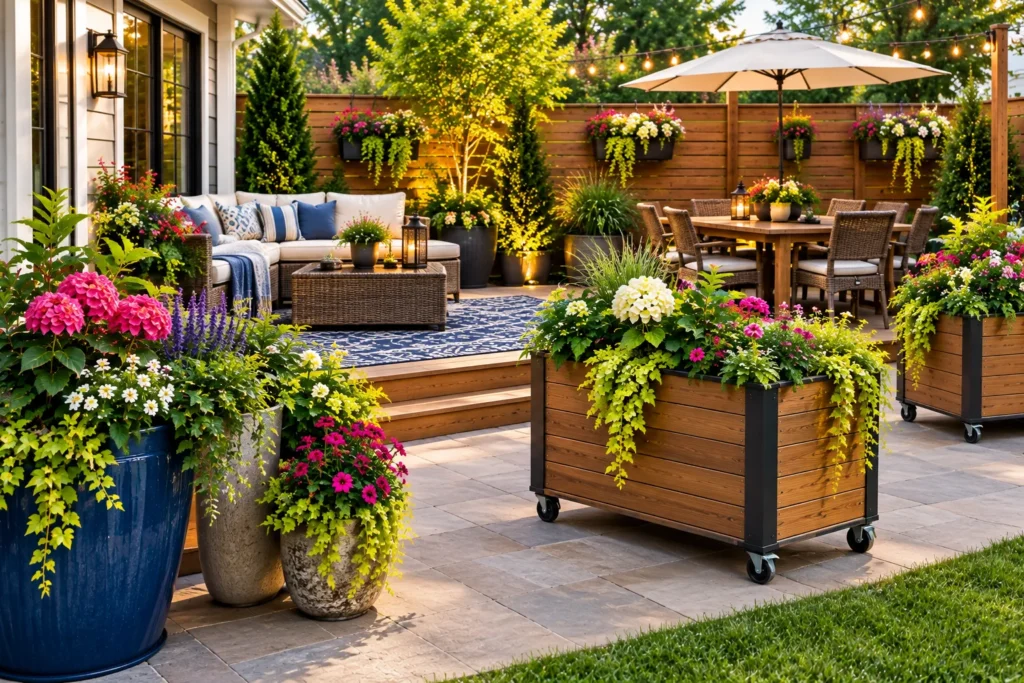
Planters are useful when you want to add greenery without permanently changing the landscape. They are especially helpful for patios, porches, balconies, and smaller yards.Use containers of different sizes to create visual interest, but keep the overall arrangement balanced. Large planters can anchor an entrance, while smaller pots can decorate steps or seating areas.Choose containers that complement your home’s exterior and select plants based on their sunlight and watering needs.
16.Keep Your Landscape Organized
The most important rule is not to make your lake house feel too perfect. It should feel like a place where people can relax, take off their shoes, enjoy a meal, and spend time together.Mix new furniture with old finds. Display books you actually enjoy. Add family photographs, handmade pieces, travel souvenirs, and objects that have a story behind them.A lake house does not need to follow one strict design style. Rustic, modern, vintage, coastal, and traditional elements can all work together when the colors and textures feel connected.
17.Make Your Landscaping Match Your Home
The most successful landscapes usually feel connected to the architecture of the house. A modern home may look best with clean lines, simple planting beds, and minimal hardscaping. A traditional home may work beautifully with layered shrubs, flowering plants, and classic pathways.Look at the colors, materials, and shapes already present on your home. Then use outdoor elements that complement those features.When the house and landscape feel connected, the entire property looks more polished.
18.Add Personal Decorative Touches
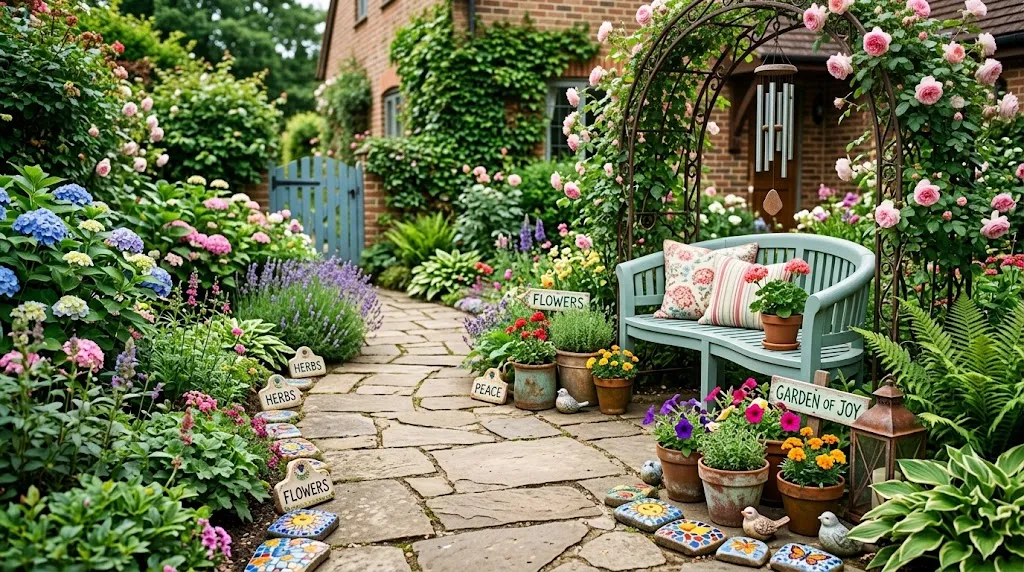
Your yard should reflect your personality. Small decorative details can make the landscape feel more personal without overwhelming the natural beauty of the space.Consider adding a decorative bench, attractive planters, garden sculptures, bird feeders, lanterns, or a favorite outdoor art piece. Choose a few meaningful items rather than filling every empty space.The goal is to create an outdoor environment that feels comfortable and naturally connected to the people who live there.
Final Thoughts on Landscaping Ideas
Beautiful landscaping does not have to mean creating an expensive or complicated outdoor space. The best landscaping ideas combine beauty, comfort, practicality, and easy maintenance. Whether you are improving your front yard, refreshing a small backyard, or designing a complete outdoor retreat, thoughtful changes can make a major difference.Start with a clear plan, choose plants that suit your local climate, and focus on the areas that matter most to you. Add comfortable seating, attractive pathways, outdoor lighting, natural materials, and a few personal touches to make the space feel complete.If you are starting with your home’s entrance, front yard landscaping ideas can be an excellent place to begin because even small improvements can create a noticeable boost in curb appeal. Over time, you can continue adding features and refining your landscape until your yard becomes a beautiful outdoor extension of your home.