Small Bedroom: Stylish Ideas to Make Your Space Feel Bigger and More Comfortable

A Small Bedroom does not have to feel cramped, uncomfortable, or difficult to decorate. With thoughtful planning, the right furniture, and a few smart design choices, even a compact bedroom can feel spacious, peaceful, and stylish. The key is to make every part of the room work efficiently while maintaining a comfortable and inviting atmosphere.

For many homeowners and apartment dwellers across the United States, bedroom space can be limited. Smaller homes, guest rooms, studio apartments, and older properties often come with compact bedrooms that require creative solutions. Fortunately, a small footprint can also encourage a more intentional approach to decorating.

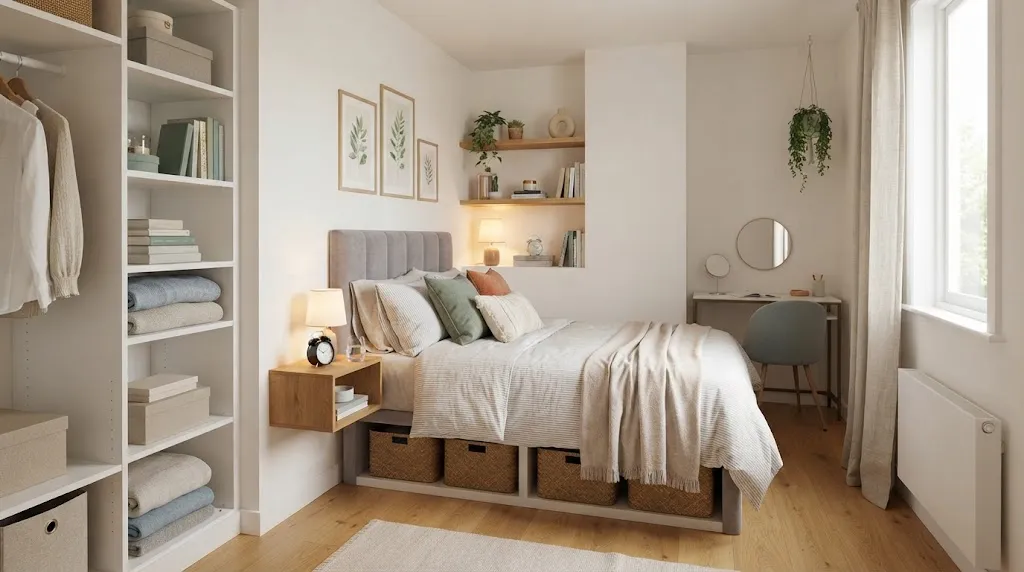
From choosing multifunctional furniture to using vertical storage and thoughtful lighting, there are many ways to make a compact room feel larger without sacrificing personality. These Small Bedroom Ideas can help you create a bedroom that looks polished, functions well, and feels comfortable every day.
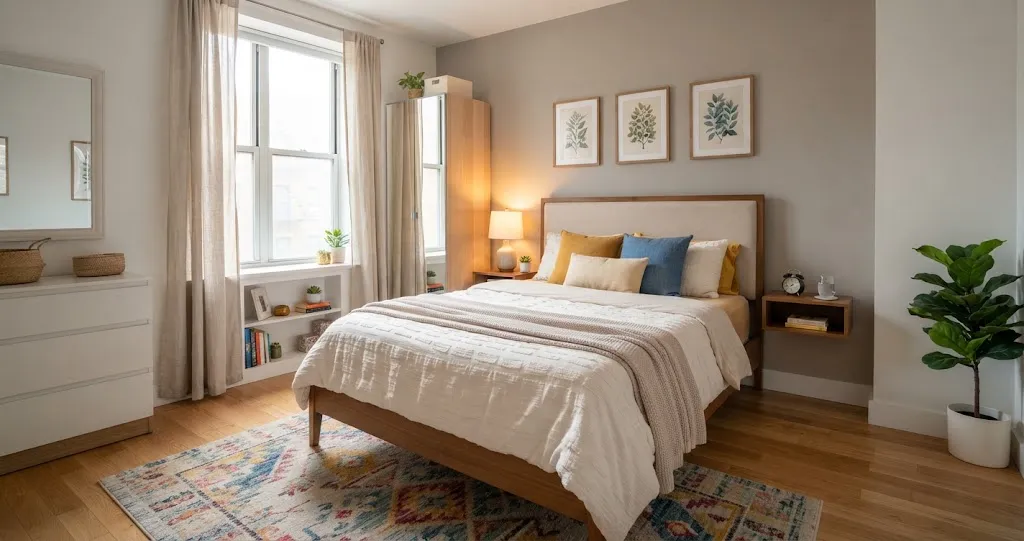
1. Choose the Right Bed Size

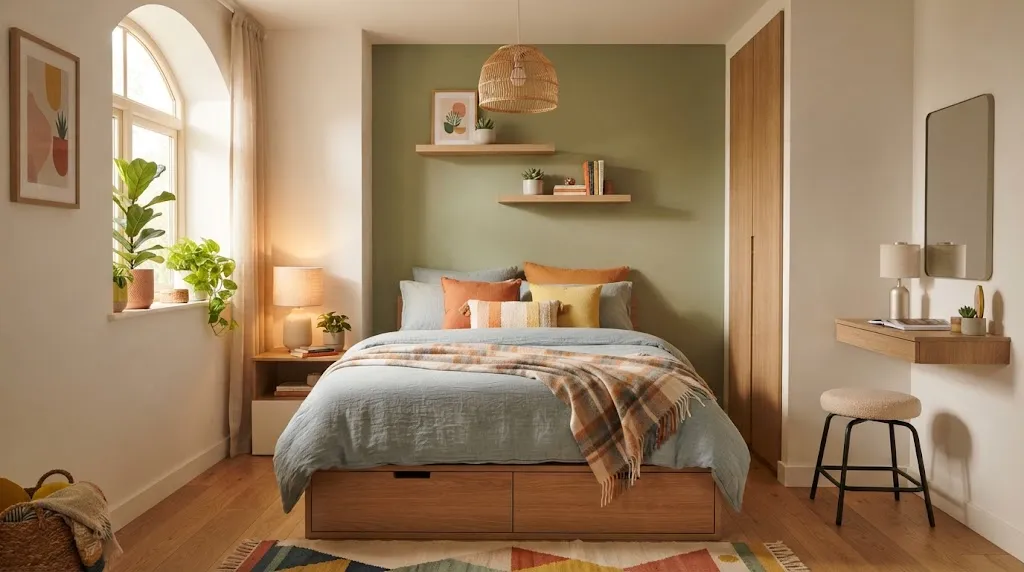
The bed is usually the largest piece of furniture in a bedroom, so choosing the right size is especially important when space is limited.

A queen-size bed may be ideal for many primary bedrooms, but a full-size or twin bed can sometimes provide more usable floor space in a compact room. Before deciding, measure the bedroom carefully and consider how much walking space you want around the bed.

Avoid choosing a bed that leaves only narrow pathways. A slightly smaller bed can sometimes make the entire room feel significantly more comfortable and functional.

2. Use Multifunctional Furniture

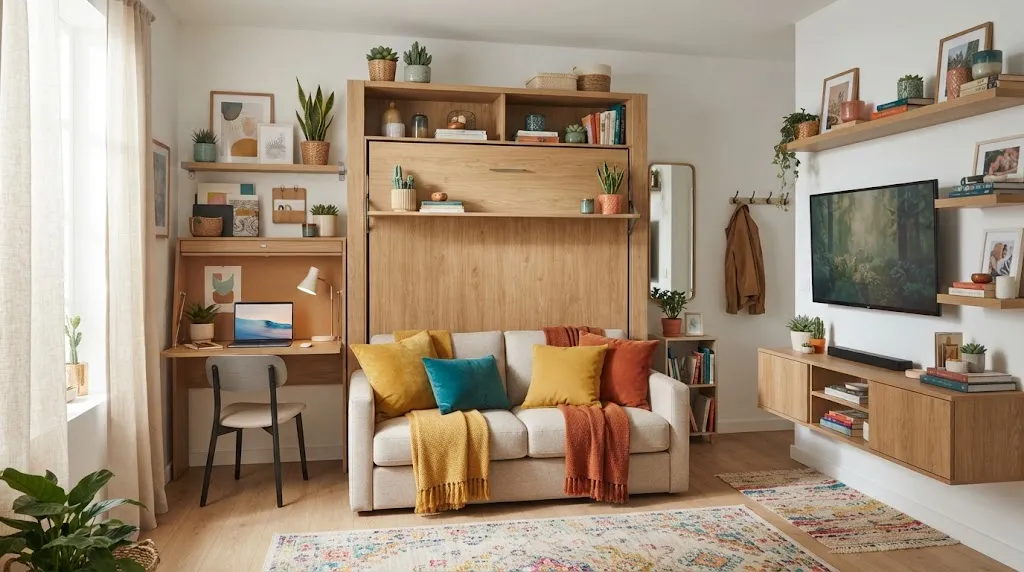
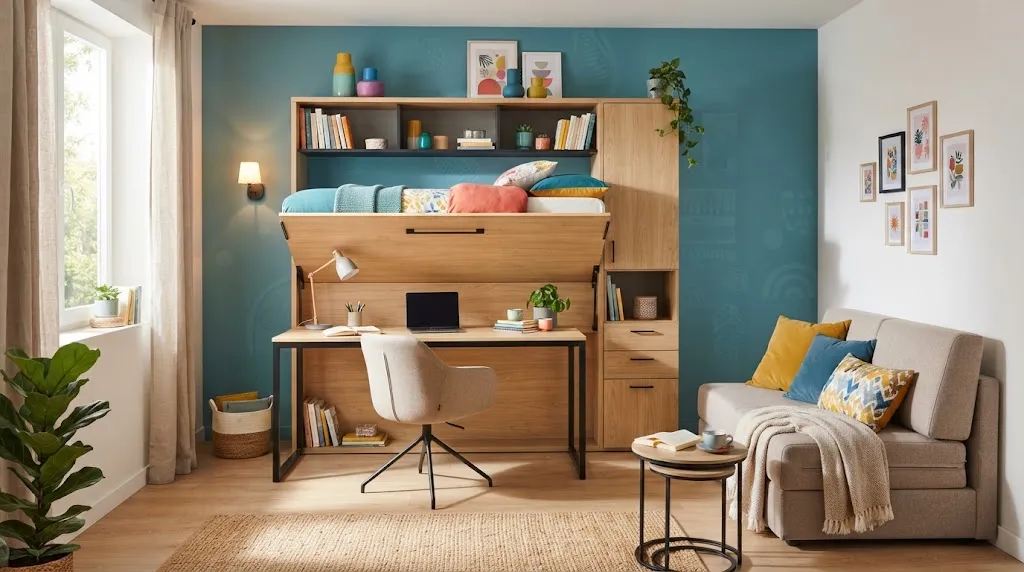
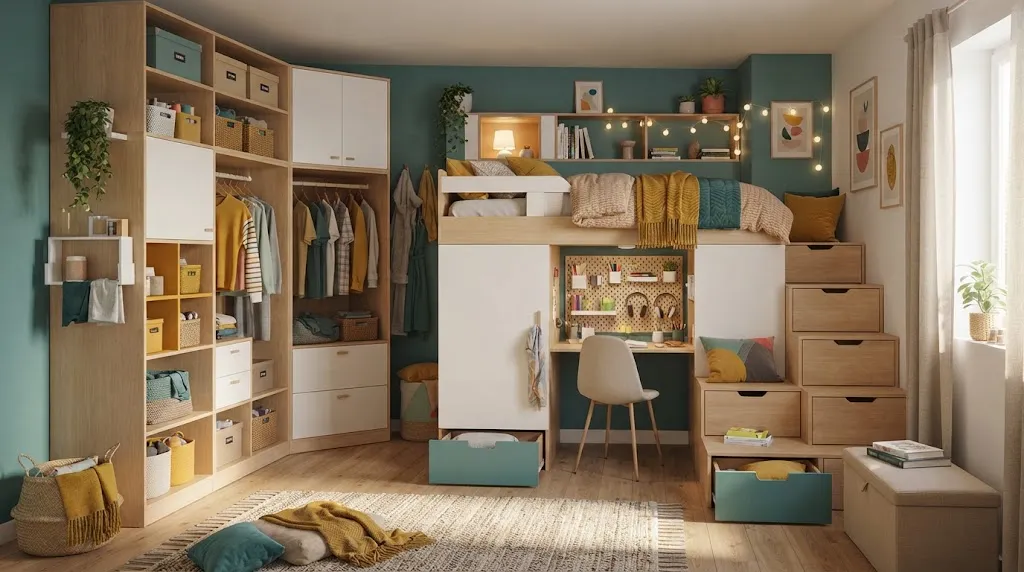
Furniture that serves more than one purpose is extremely valuable in a compact bedroom. Instead of adding several separate pieces, look for designs that combine storage, seating, or workspace.

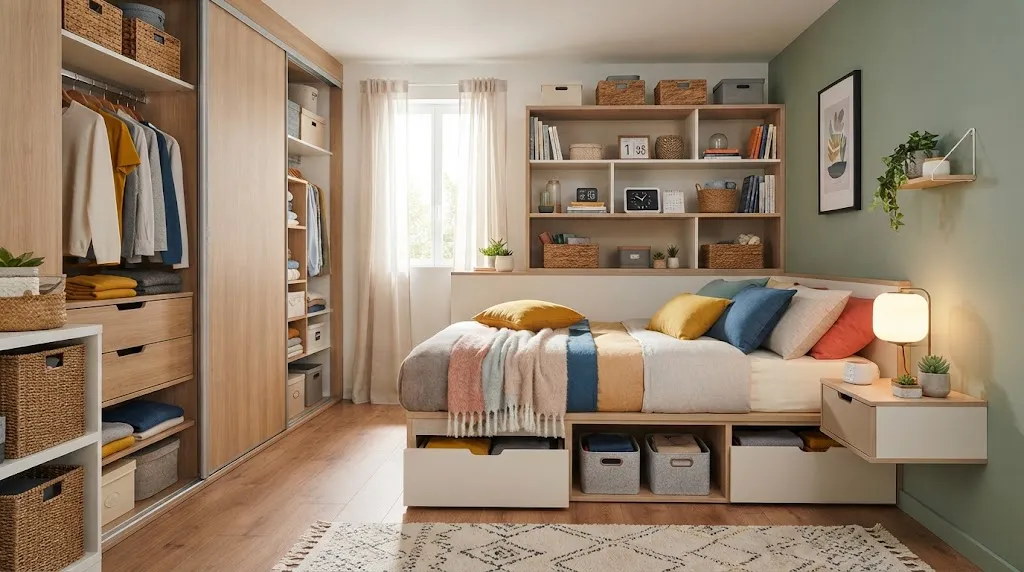
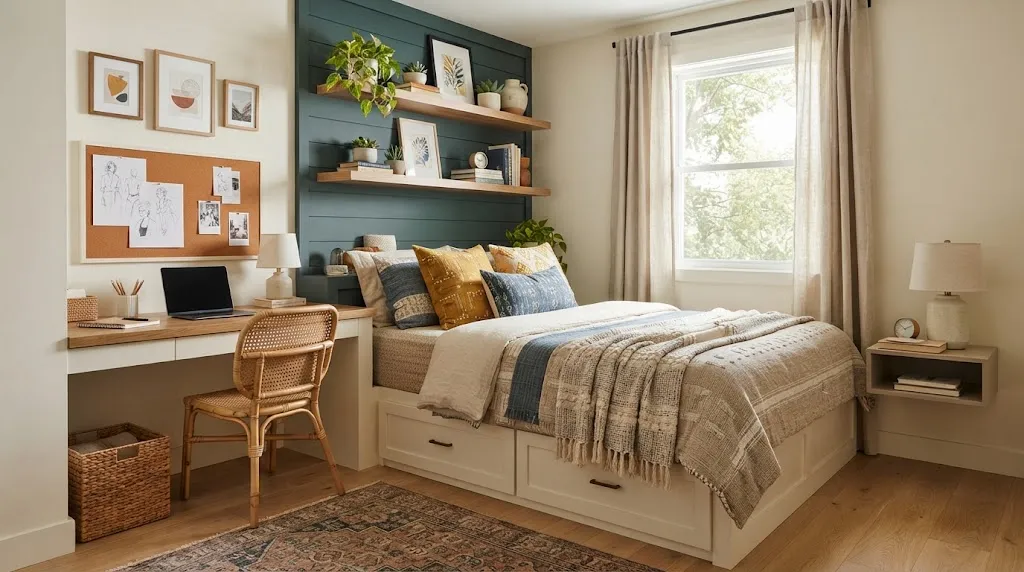
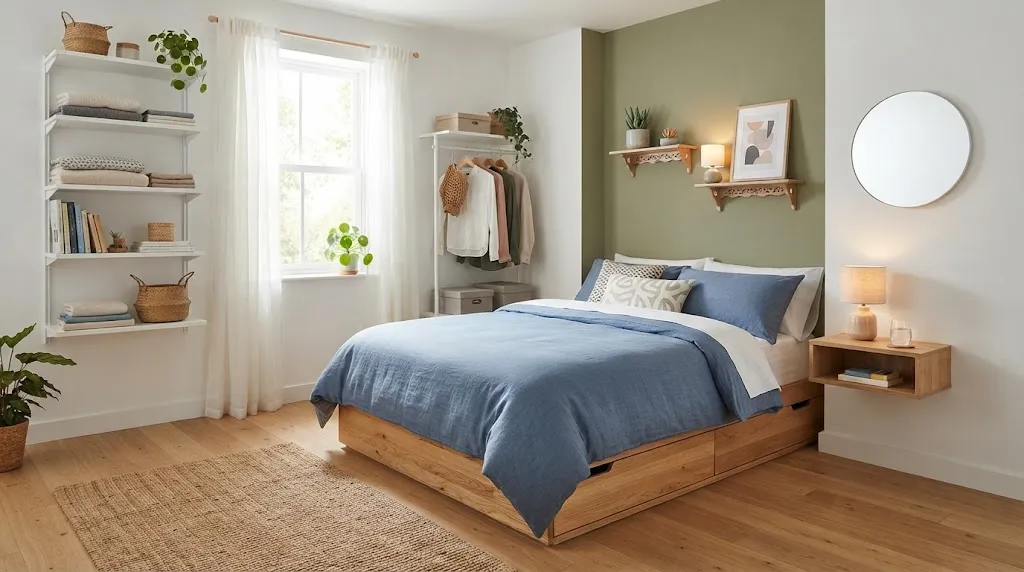
A storage bed can provide drawers underneath for clothing, bedding, or shoes. A small desk can double as a vanity, while an ottoman can provide seating and hidden storage.

Multifunctional furniture helps reduce visual clutter because fewer individual pieces are needed. Choose simple designs that fit comfortably within the available space.

3. Take Advantage of Vertical Space

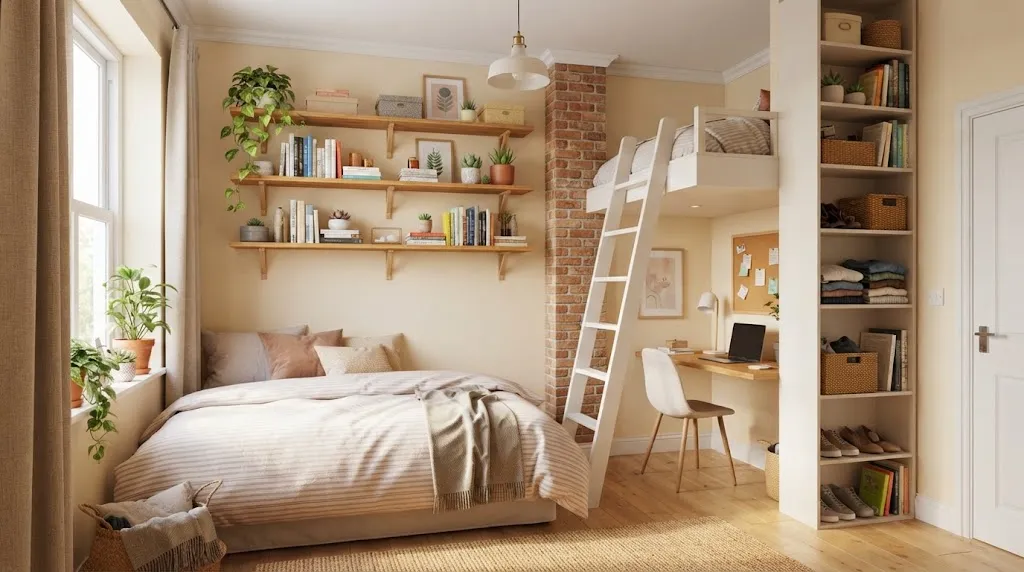
When floor space is limited, walls can provide valuable storage opportunities. Tall furniture uses vertical space without taking up a large footprint.

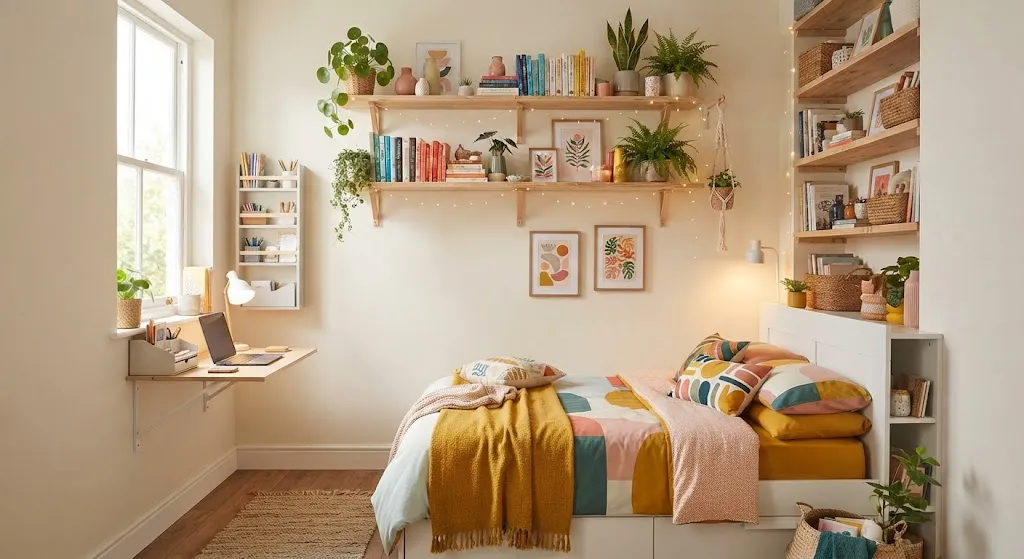
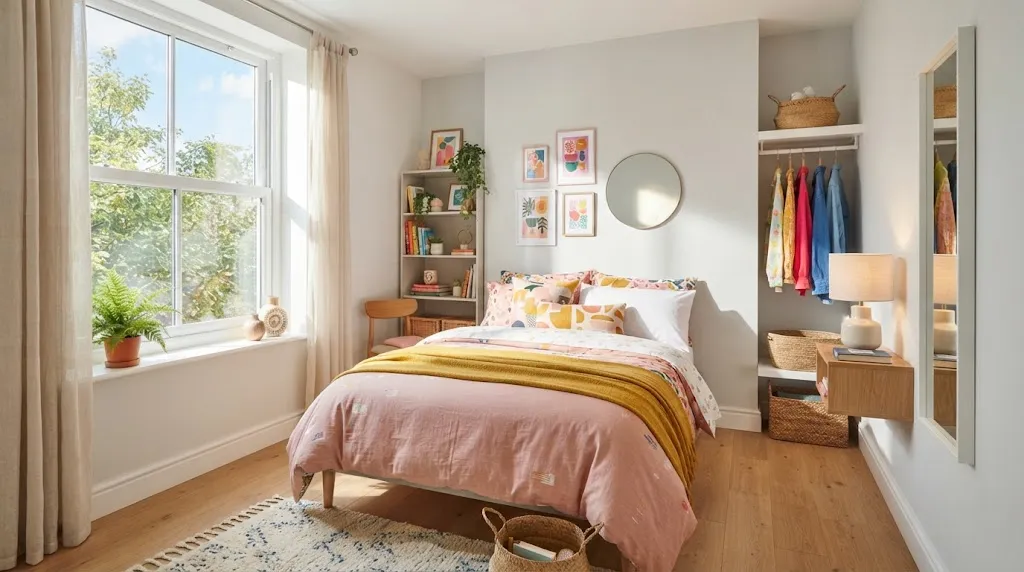
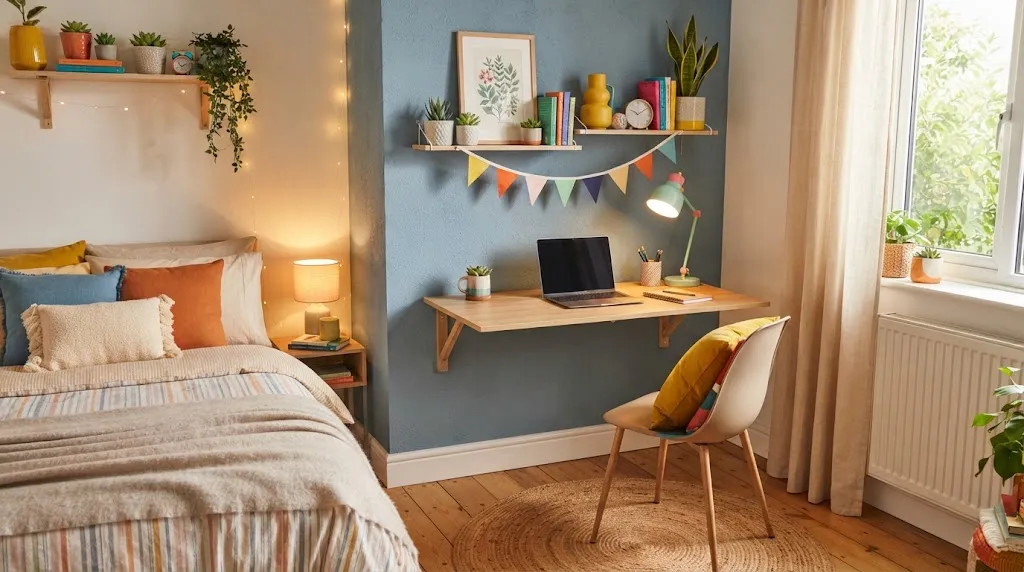
Consider a floor-to-ceiling wardrobe, tall bookcase, or wall-mounted shelving system. Floating shelves can hold books, plants, framed artwork, and decorative accessories without occupying floor space.

Vertical storage also draws attention upward, which can make the ceiling appear taller and the bedroom feel more open.

4. Choose Light and Airy Colors

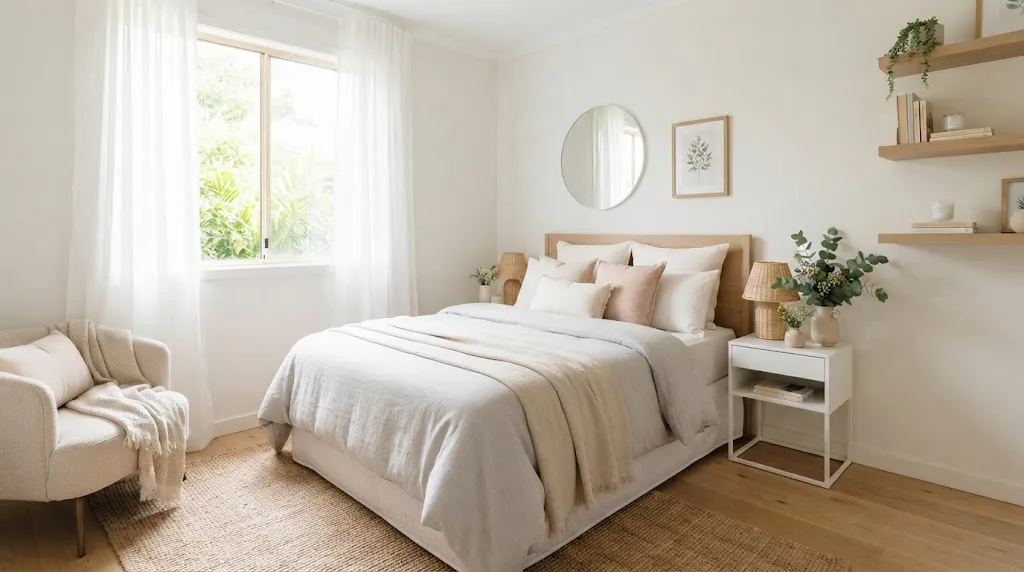
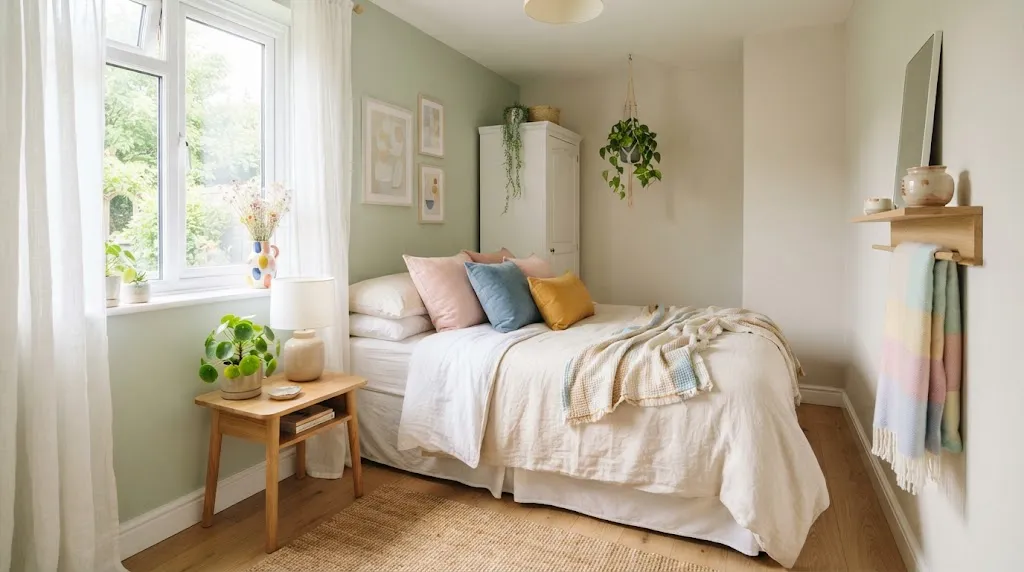
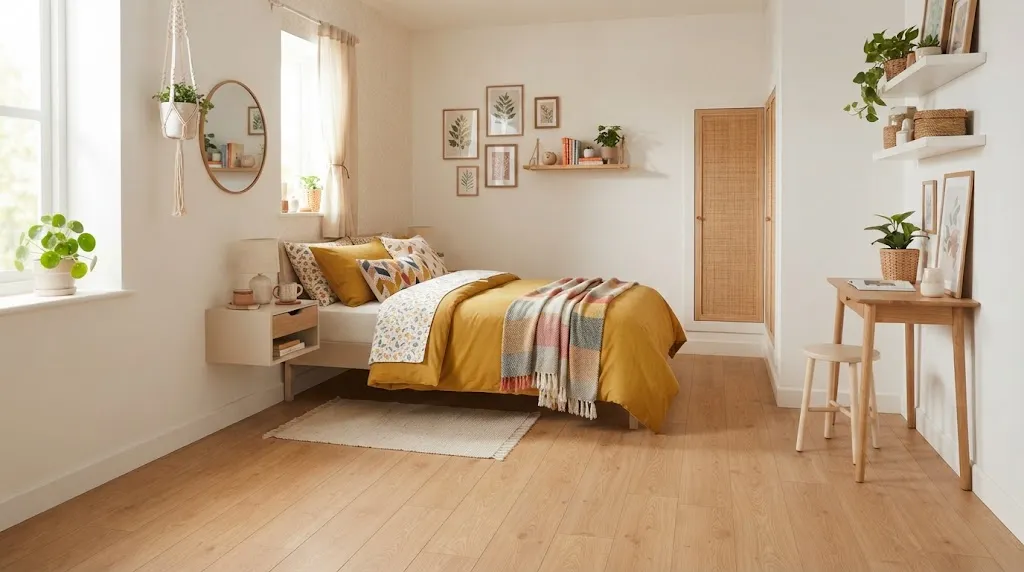
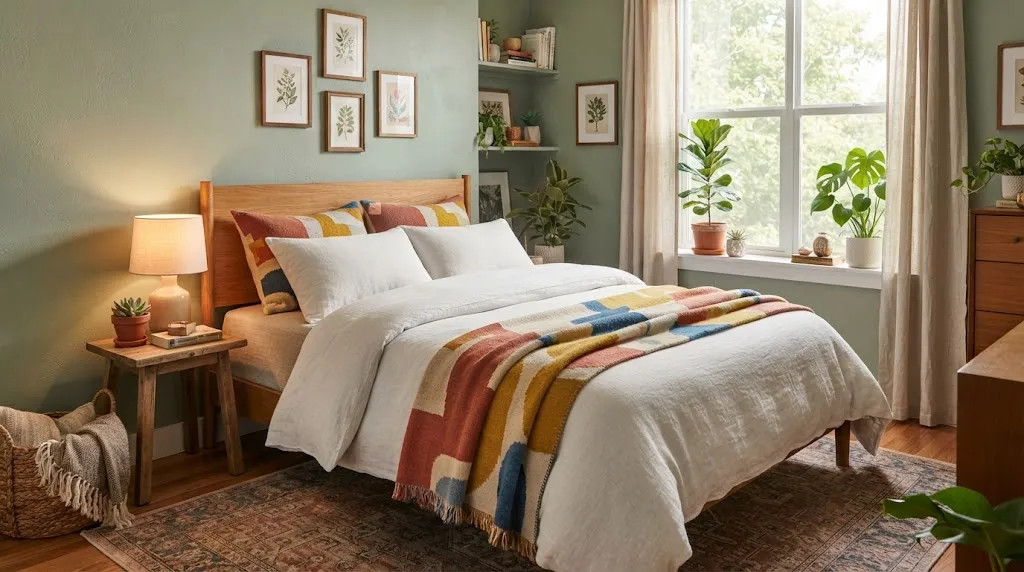
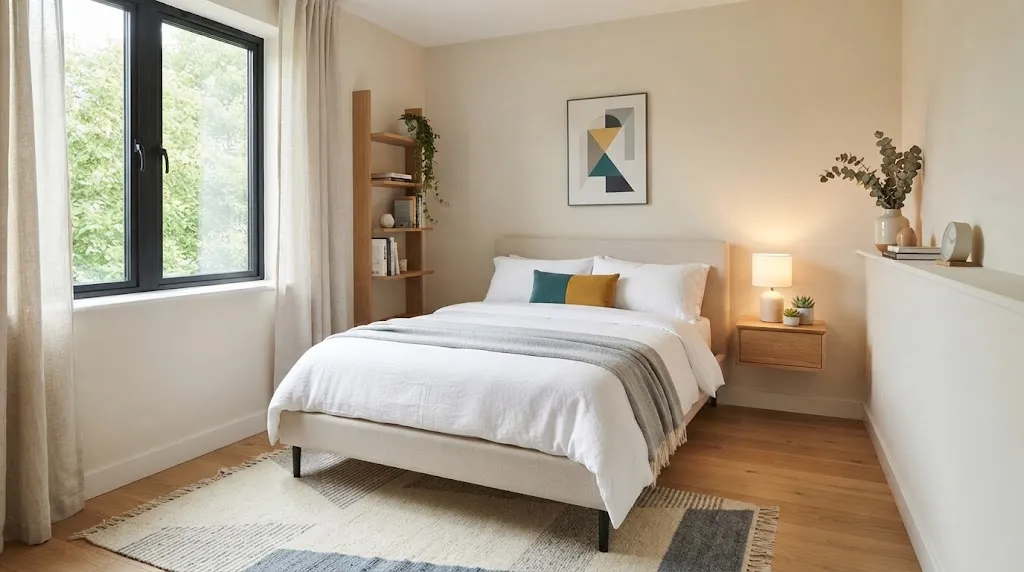
Color can have a major impact on how spacious a room feels. Light shades such as white, cream, soft beige, pale gray, and muted pastels can reflect natural light and create an airy atmosphere.

You do not have to make the entire room white. Layer different neutral shades to add depth and warmth. For example, combine warm white walls with beige bedding, light wood furniture, and soft gray accents.

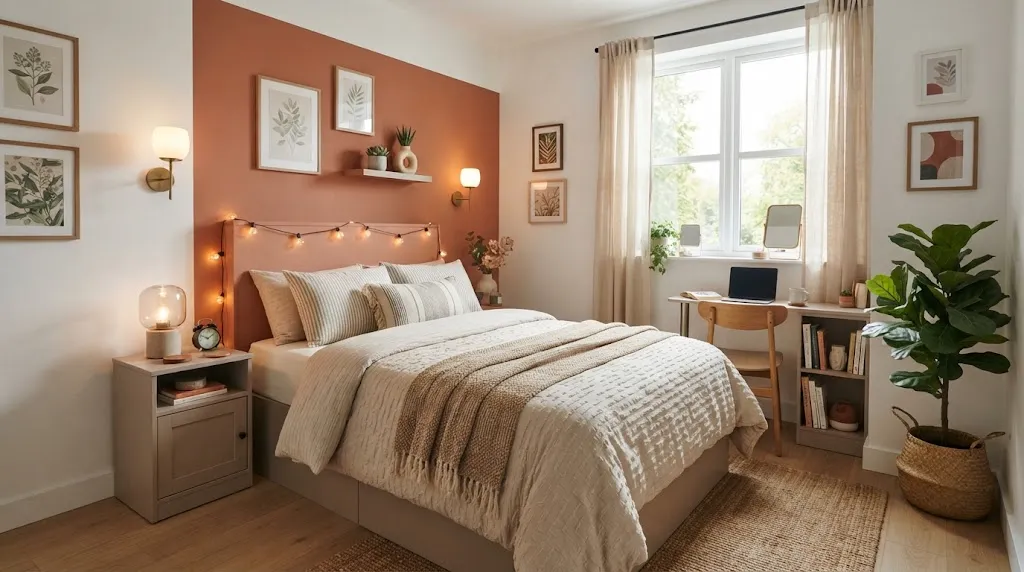
If you love darker colors, consider using them selectively through pillows, artwork, a small accent wall, or decorative accessories.

5. Make the Most of Natural Light

Natural light can make a small bedroom feel brighter and more open. Keep windows as unobstructed as possible and choose window treatments that allow plenty of daylight into the room.

Light curtains or simple shades can provide privacy without making the space feel heavy. Hang curtains slightly above the window frame and let them extend toward the floor to create a taller appearance.

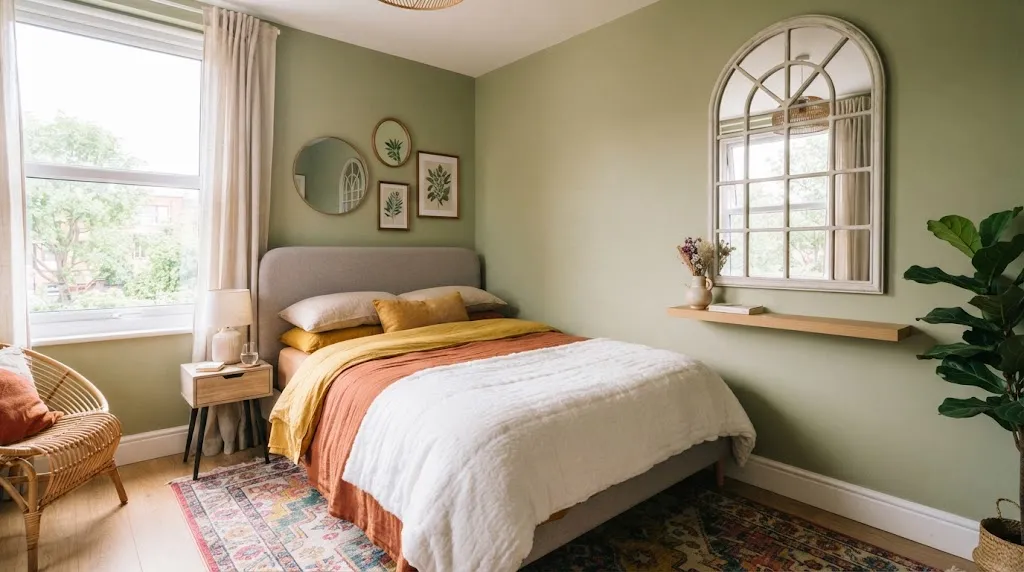
Position mirrors where they can reflect natural light and brighten darker areas of the room.

6. Add Mirrors Strategically

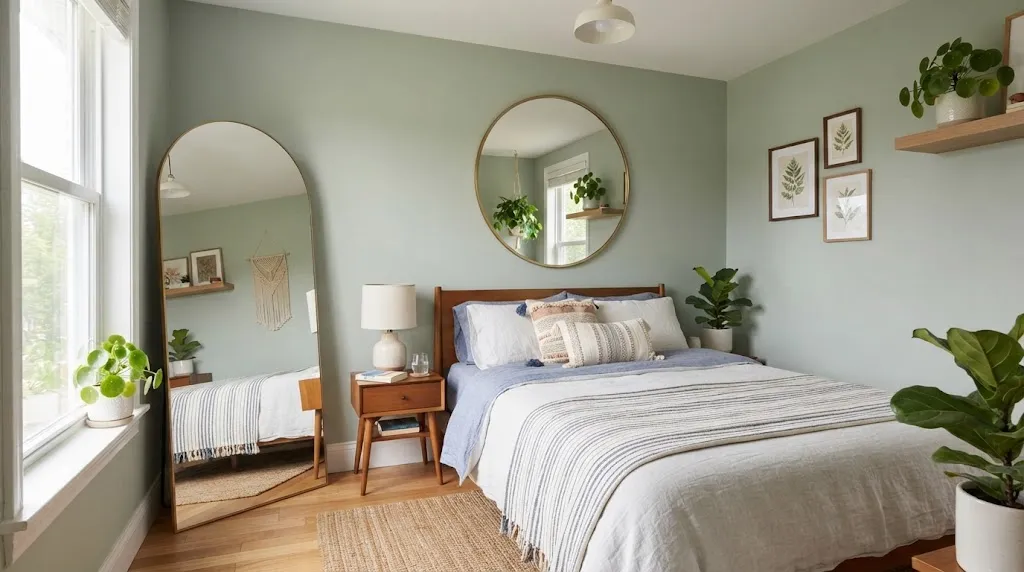
Mirrors are one of the easiest ways to visually expand a compact bedroom. A large mirror can reflect light and create the impression of additional depth.

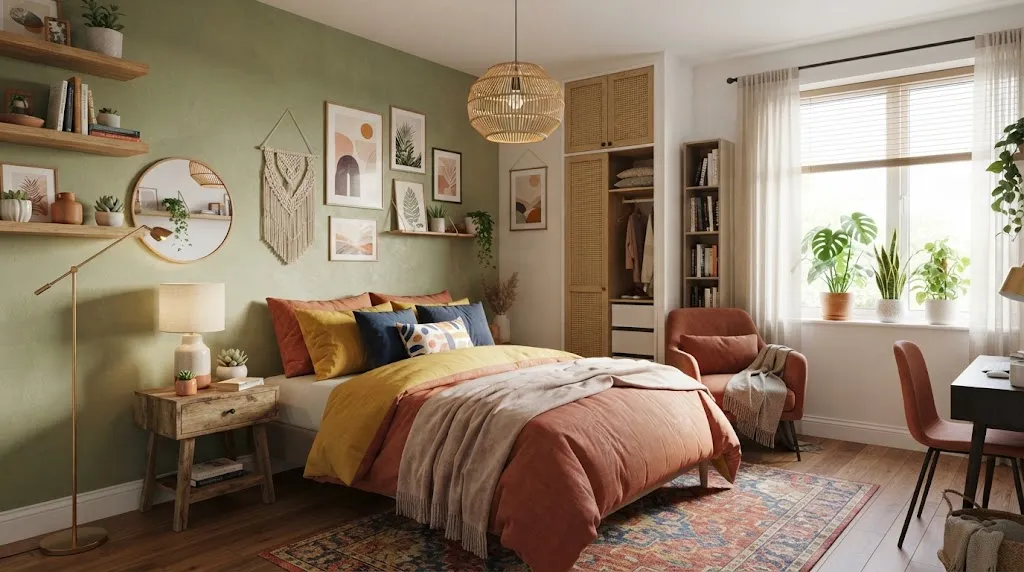
Consider a full-length mirror on a wardrobe door, a large wall mirror opposite a window, or a collection of smaller mirrors arranged together.

For a modern bedroom, choose a simple frameless mirror or one with a thin metal frame. A decorative wood frame can work beautifully in traditional, farmhouse, or warm contemporary interiors.

7. Select Space-Saving Nightstands

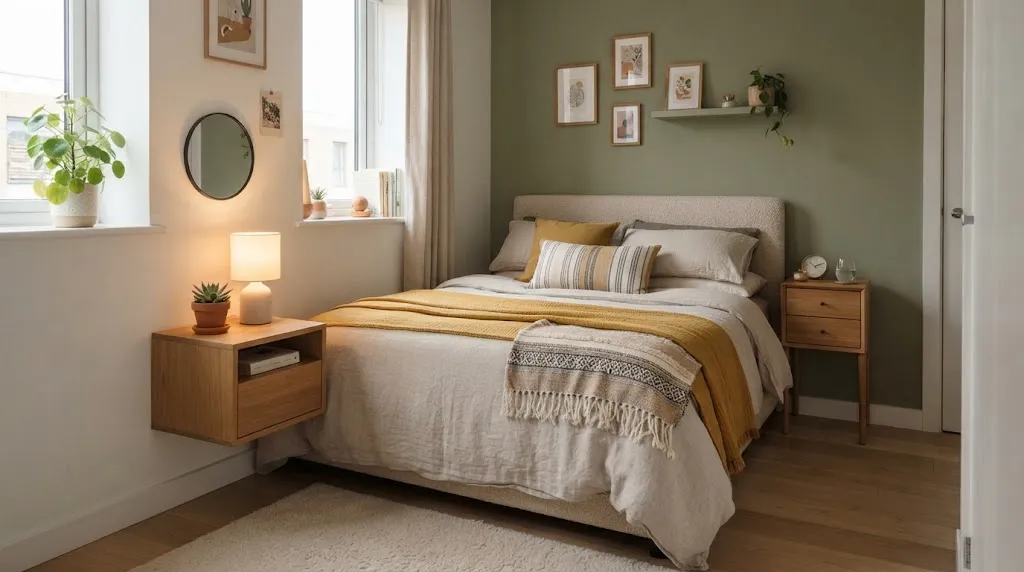
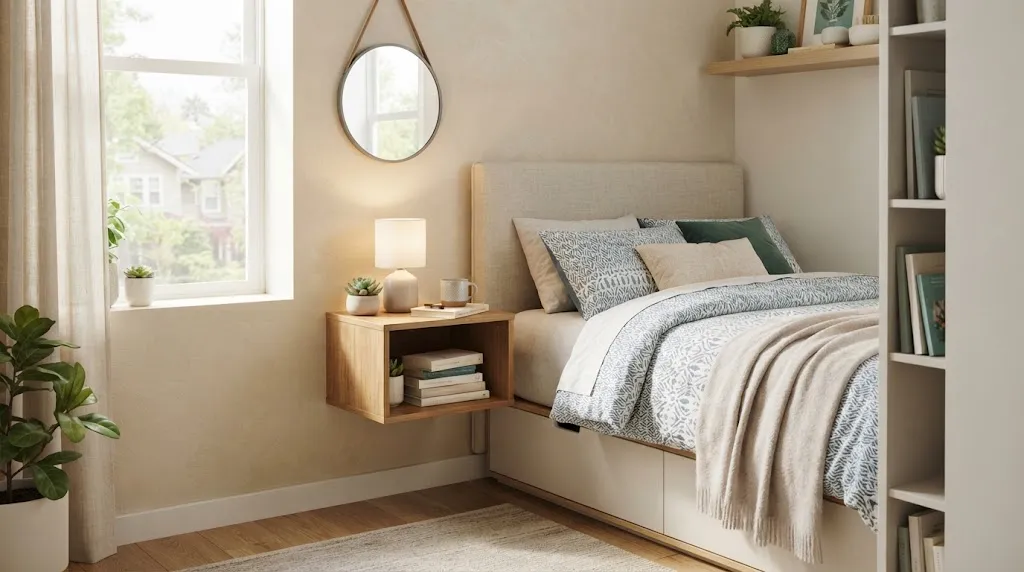
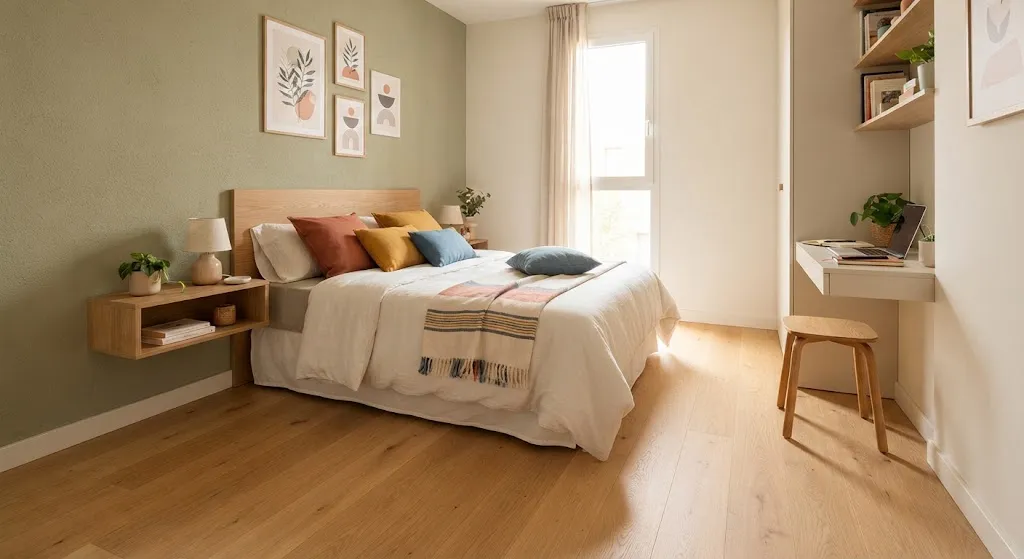
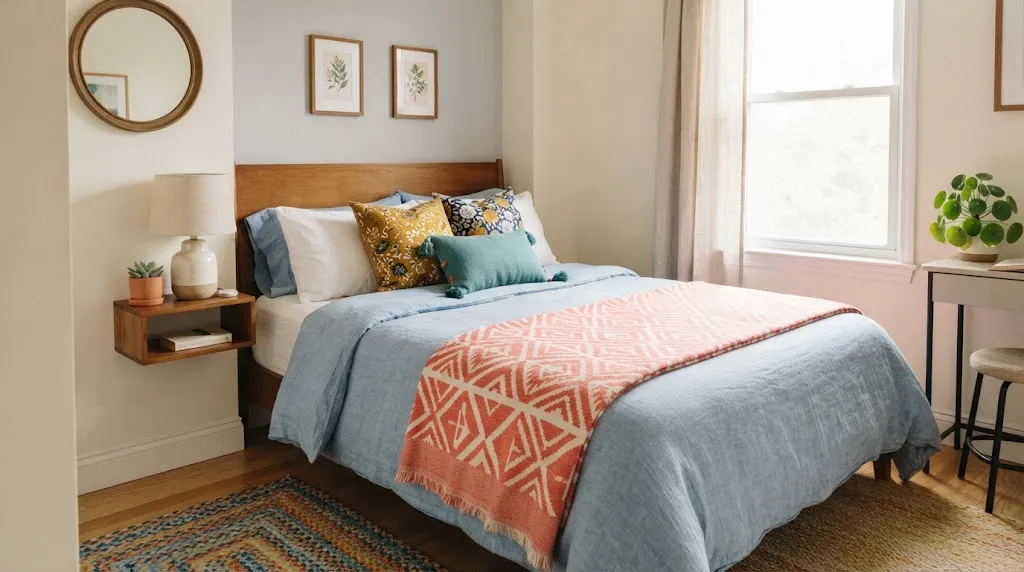
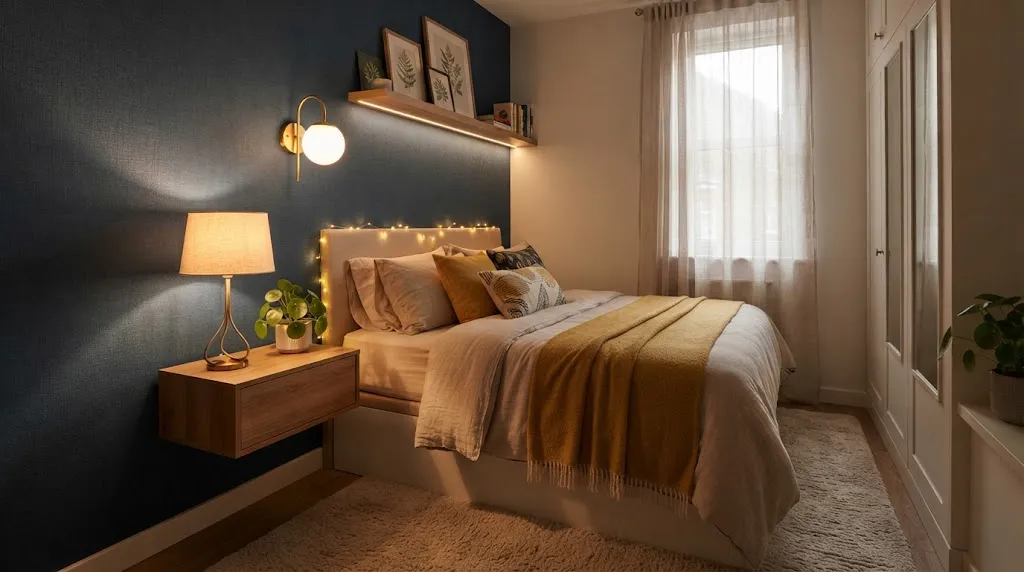
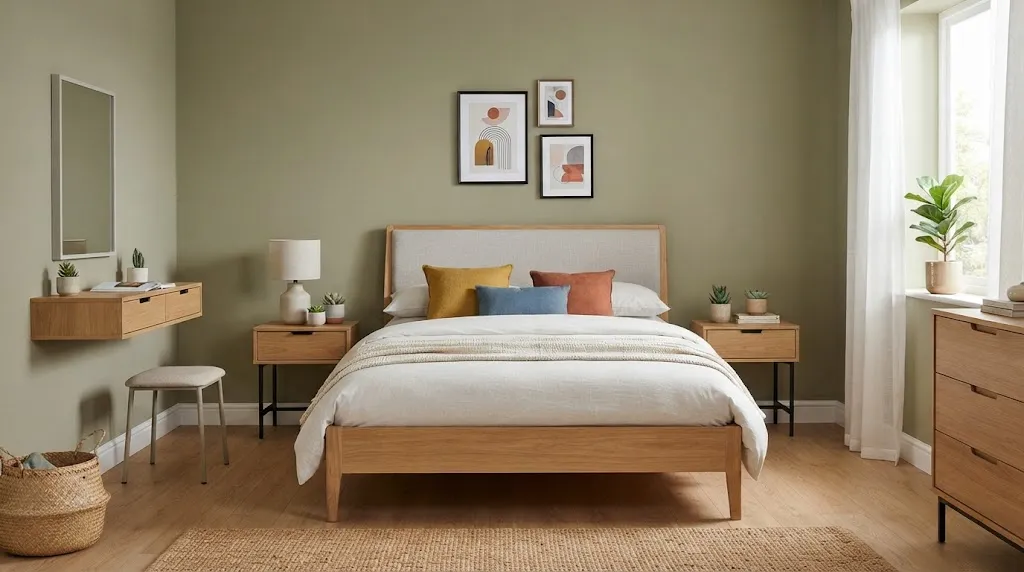
Traditional nightstands can take up more floor space than necessary. In a compact bedroom, consider floating nightstands, narrow tables, or wall-mounted shelves.

A floating nightstand can provide enough room for a lamp, phone, book, and small personal items while keeping the floor underneath open.

If you prefer a traditional nightstand, choose a compact design with drawers so it provides both surface space and hidden storage.

8. Create a Smart Storage System

Good storage is essential in a Small Bedroom because clutter can make the room feel even smaller. Start by identifying what you actually need to store and then choose storage based on those needs.

Use under-bed containers for seasonal clothing and extra bedding. Add drawer organizers for smaller accessories and baskets for items that need to remain accessible.

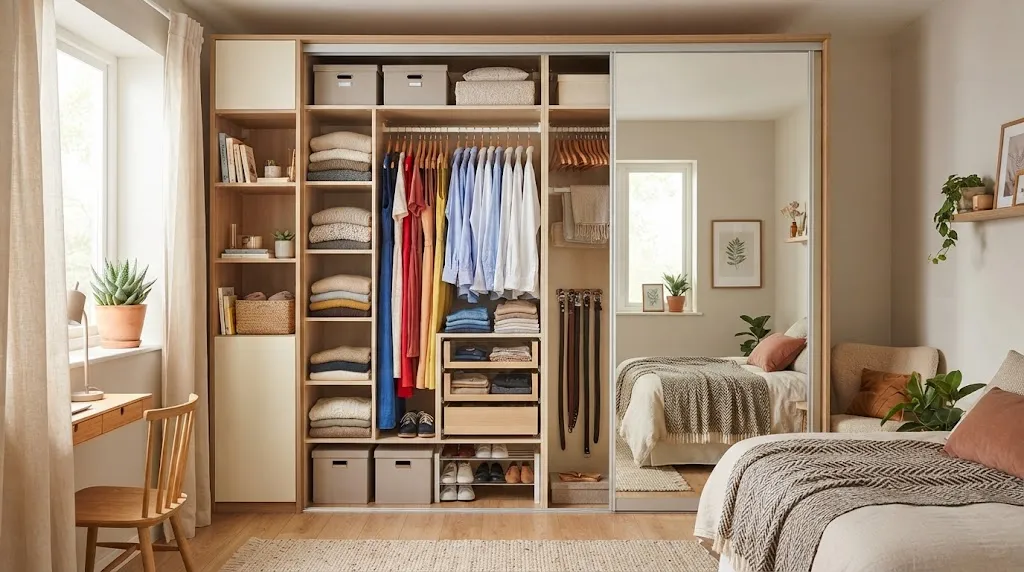
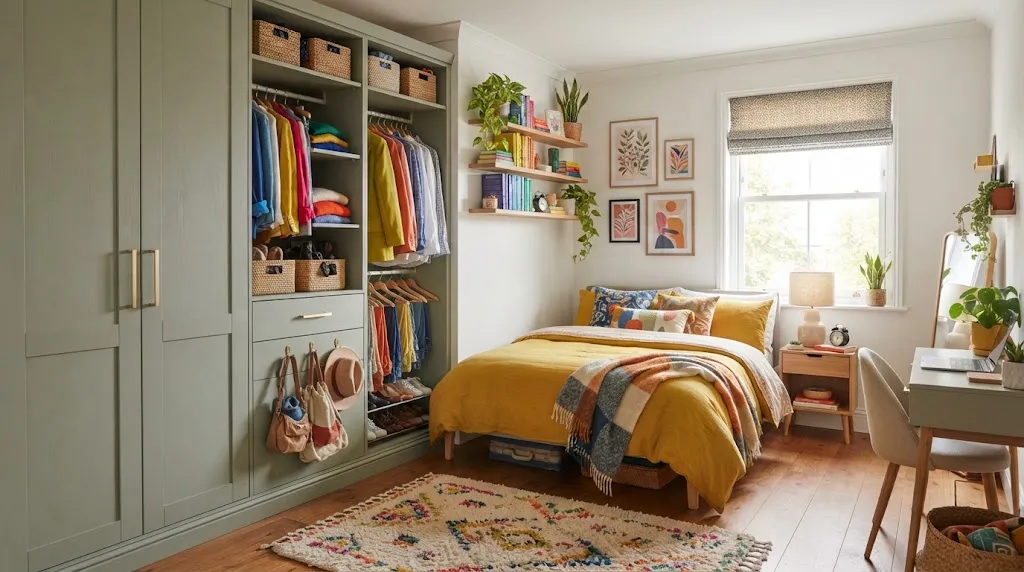
A wardrobe with floor-to-ceiling storage can provide significantly more capacity than a short cabinet while maintaining a clean appearance.

9. Keep the Floor as Clear as Possible

An open floor can make a compact bedroom feel more spacious. Avoid adding furniture simply because there is an empty corner.

Instead, prioritize pieces that provide real function. Wall-mounted shelves, floating nightstands, and raised furniture can help maintain visible floor space.

When choosing a bed, consider a frame with exposed legs rather than a bulky base. Seeing more of the floor underneath the furniture can create a lighter visual effect.

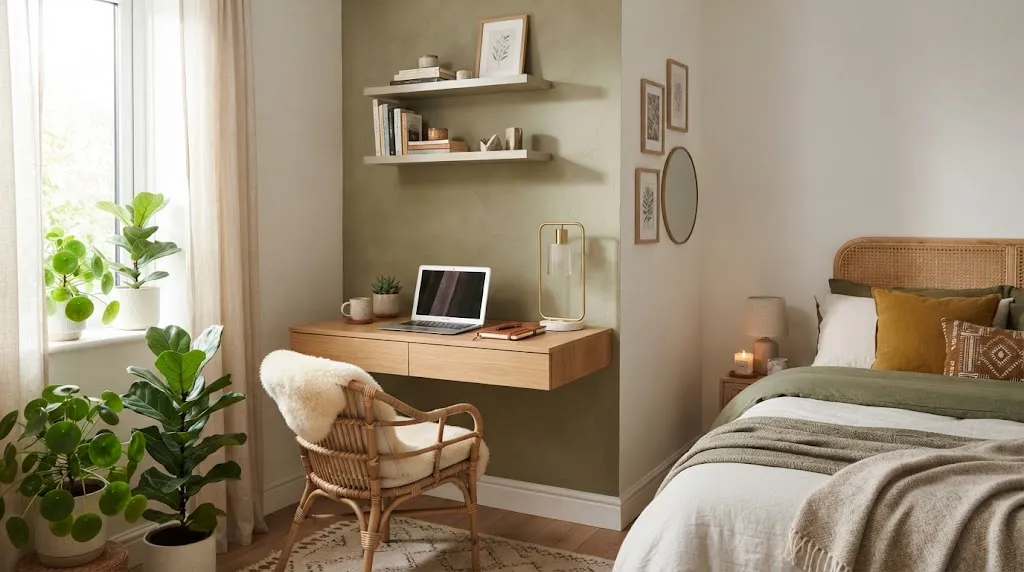
10. Use a Wall-Mounted Desk

If your bedroom also needs to function as a workspace, a wall-mounted desk can be a smart solution. It provides a practical surface without requiring a large traditional desk.

Choose a slim design with shelves above or drawers underneath for additional organization. When the desk is not being used, keep the surface clear so it does not make the bedroom feel cluttered.

A compact chair can be tucked underneath the desk when not needed.

11. Choose Bedding Carefully

Bedding has a significant visual presence in a bedroom. In a compact room, overly bulky bedding can make the space feel crowded.

Choose lightweight layers in coordinated colors. A simple duvet, a few pillows, and a soft throw can create a comfortable appearance without excessive visual weight.

Neutral bedding is especially versatile. You can introduce personality through textured cushions, subtle patterns, or seasonal accents without overwhelming the room.

12. Use Lighting to Create Depth

Good lighting can completely change the atmosphere of a small bedroom. Instead of relying on a single ceiling fixture, layer several light sources.

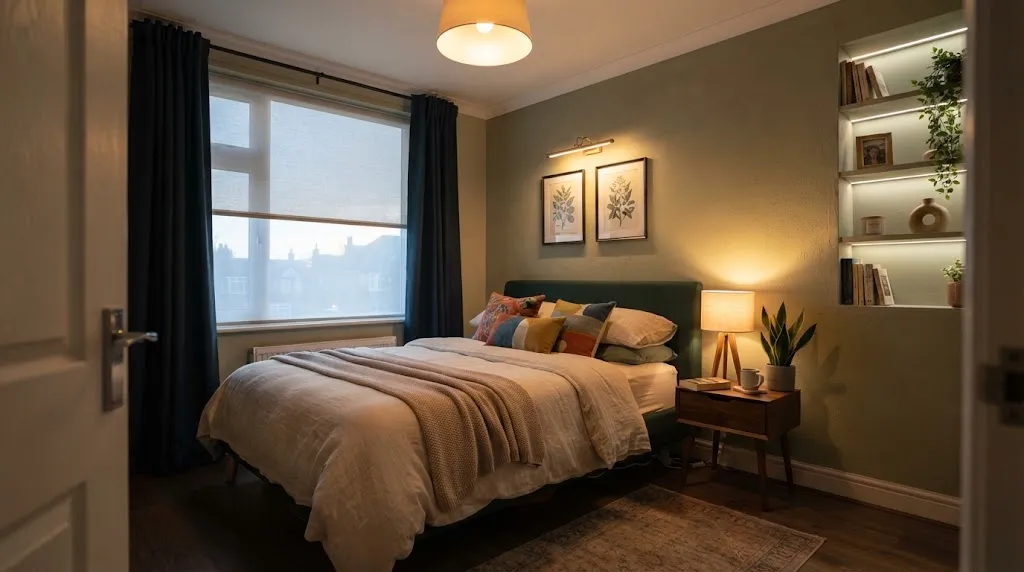
Wall-mounted sconces can save valuable nightstand space. A small pendant can provide a stylish alternative to a table lamp, while LED lighting inside wardrobes can improve functionality.

Use warm, comfortable lighting in areas where you relax. Multiple light sources can create depth and prevent the room from feeling flat.

13. Add a Cozy Reading Corner

Even a compact bedroom may have enough room for a small reading area if you choose furniture carefully.

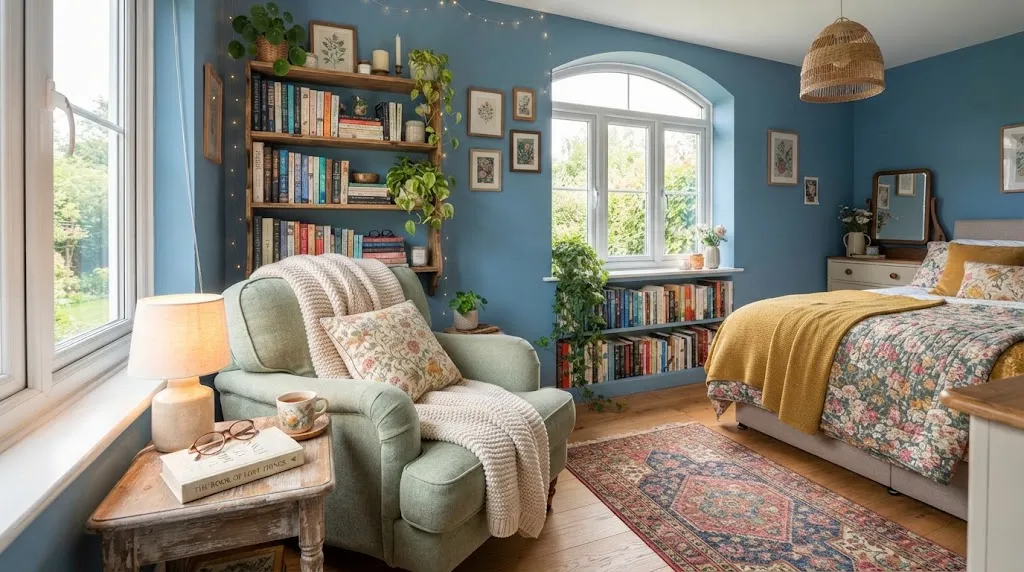
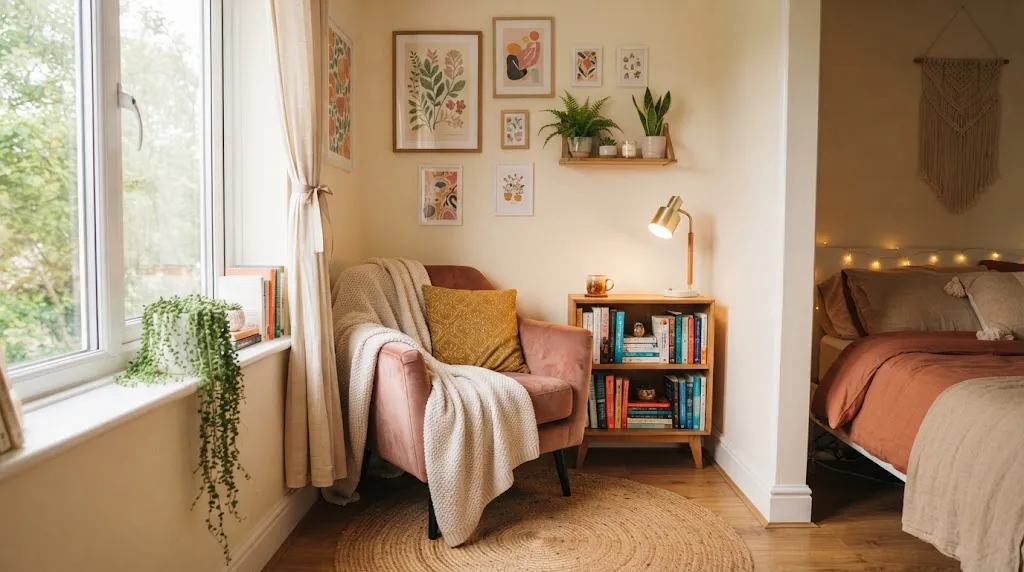
A slim accent chair can fit into an unused corner beside a window. Add a small side table and a floor or wall-mounted lamp to create a comfortable reading spot.

If a chair takes up too much room, consider a compact bench or floor cushion instead. The goal is to create a relaxing area without blocking movement through the room.

14. Choose Furniture With Clean Lines

Furniture with simple silhouettes can make a compact bedroom feel less crowded. Avoid overly ornate pieces with large decorative details if they dominate the available space.

Choose streamlined wardrobes, simple bed frames, narrow dressers, and minimal nightstands. This does not mean your room needs to look plain.

You can add personality through artwork, textiles, plants, and carefully selected accessories while keeping the major furniture pieces visually light.

15. Decorate With Intention

Decorating a small bedroom does not mean removing all personality. Instead, be selective about what you display.

Choose a few meaningful pieces rather than filling every available surface. A large piece of artwork can sometimes make more impact than a collection of small decorations.

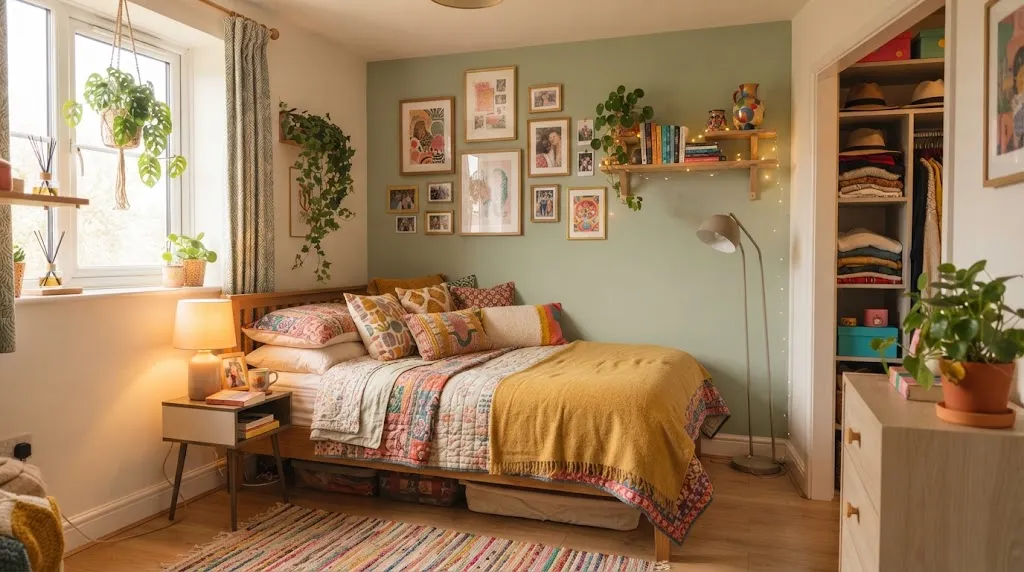
Use plants, framed photographs, decorative pillows, and textured throws to add character. Keeping the overall palette coordinated will help the room feel organized rather than visually busy.

16. Use a Cohesive Design Style

A consistent design style can make a Small Bedroom feel more organized and sophisticated. When furniture, colors, and accessories work together, there is less visual competition.

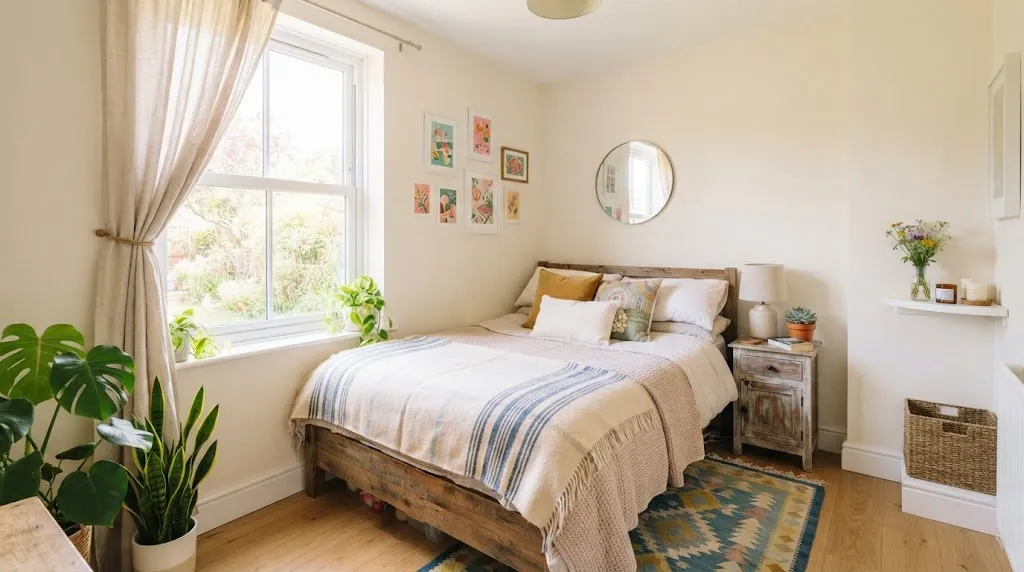
A minimalist bedroom might combine light wood, neutral textiles, and simple furniture. A cozy farmhouse room could use warm wood, soft bedding, woven baskets, and classic accents.

You can also mix styles, but try to repeat a few materials or colors throughout the room to create visual continuity.

17. Make the Wardrobe Work Harder

The wardrobe is one of the most important storage elements in a small bedroom. Instead of choosing a large unit without considering its interior organization, look for a design that maximizes usable space.

Use a combination of hanging rails, drawers, adjustable shelves, and small compartments. Store everyday clothing at accessible heights and move seasonal pieces to higher sections.

Mirrored wardrobe doors can provide additional functionality by combining storage with a full-length mirror.

18. Use Rugs to Define the Space

A rug can add warmth and personality to a compact bedroom, but its size and placement matter.

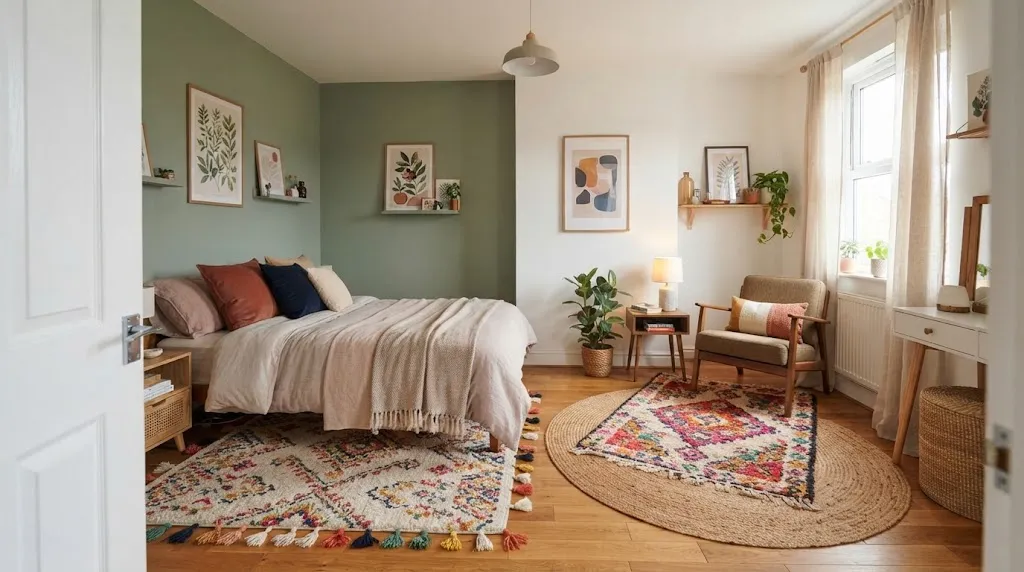
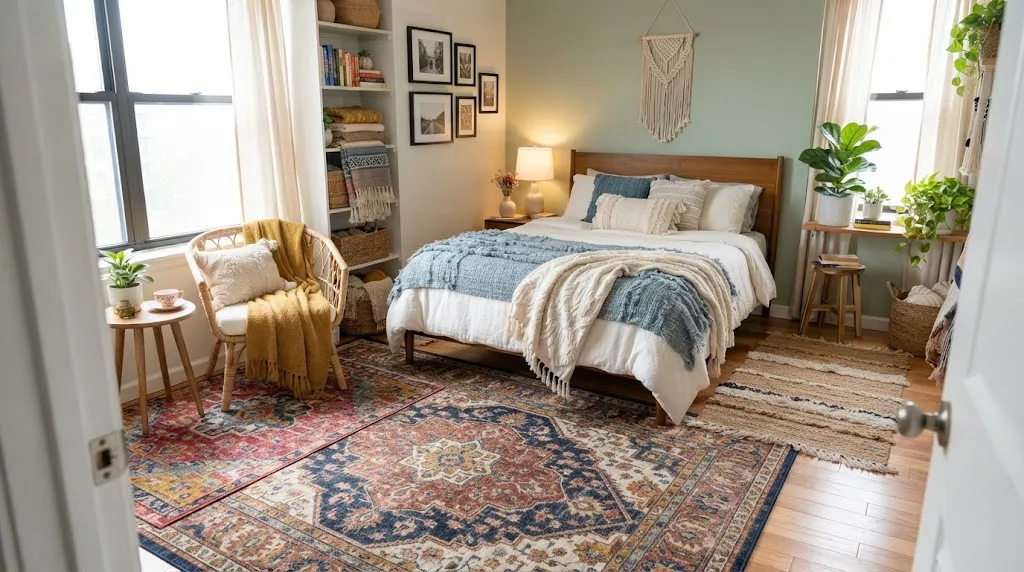
A rug that extends partially underneath the bed can create a comfortable, grounded appearance. Choose a design that complements your bedding and wall colors.

Avoid extremely busy patterns if the room already contains several visual elements. Subtle patterns and textured neutral rugs can add depth without making the space feel crowded.

19. Keep Clutter Under Control

One of the most effective Small Bedroom Ideas is simply maintaining a clutter-free environment. Even a beautifully decorated room can feel cramped when clothing, shoes, books, and accessories are left everywhere.

Create a simple daily routine for putting items back in their designated places. Use baskets, drawers, and storage boxes to keep smaller belongings organized.

Regularly review your belongings and remove items you no longer use. A smaller collection of useful and meaningful things can make the bedroom easier to maintain.

20. Make the Bedroom Feel Personal

A small bedroom should still reflect your personality. The goal is not to create a room that looks empty but one that feels thoughtfully designed.

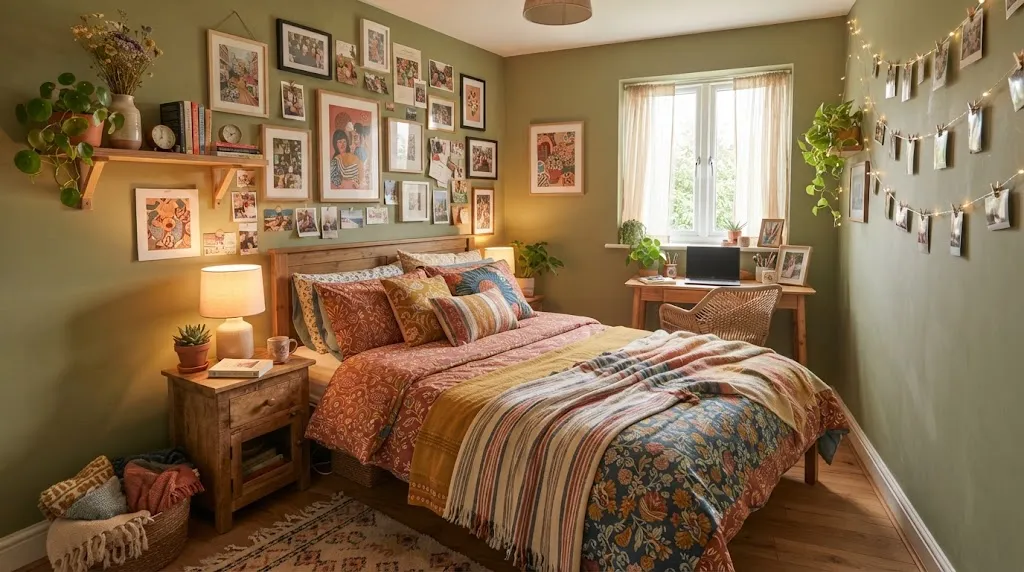
Display a favorite artwork, add a meaningful photograph, choose bedding in a color you love, or introduce a few plants. Small personal touches can make the space feel warm and unique.

The best bedroom is one that feels comfortable at the end of a busy day. Functionality matters, but so does creating an environment where you genuinely enjoy spending time.
Final Thoughts

A Small Bedroom can be stylish, comfortable, and highly functional with the right approach. The most successful designs focus on smart furniture choices, efficient storage, light colors, natural light, and thoughtful decoration.

Use Small Bedroom Ideas that make every part of the room work harder without filling the space with unnecessary furniture. Vertical storage, multifunctional pieces, floating shelves, compact nightstands, mirrors, and organized wardrobes can all help create a more spacious feeling.

Most importantly, remember that a small bedroom does not need to look or feel limited. With careful planning and a clear design direction, even a compact space can become a beautiful personal retreat that feels calm, organized, and inviting every da